





























US Drops Indian Tariffs to 18% in Landmark Deal with Modi
President Trump cuts US tariffs on Indian goods to 18% after Modi agrees to stop buying Russian oil. Explore the implications for trade, energy, and global relations in this breaking deal.
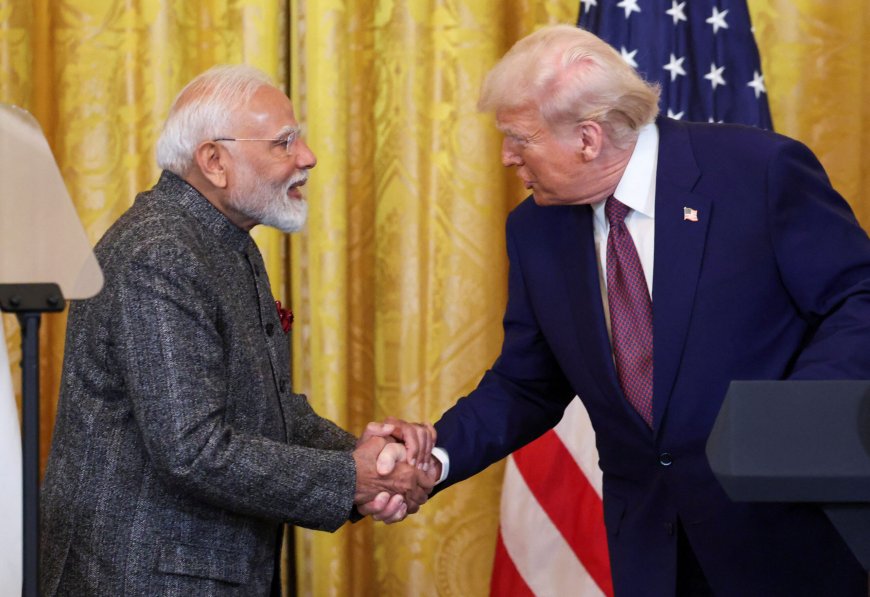
In a surprising move that's dominating headlines, President Donald Trump announced a significant reduction in US tariffs on Indian goods, slashing them from a punishing 50% down to just 18%. This comes after a productive call with Indian Prime Minister Narendra Modi, where India committed to halting its purchases of Russian oil—a key revenue source funding Russia's ongoing conflicts. Instead, India will pivot to sourcing oil from the US and Venezuela, strengthening bilateral trade and energy ties.
This deal isn't just about tariffs; it's a strategic win for both nations. Trump highlighted that India will eliminate all tariffs and non-tariff barriers on American products, paving the way for an estimated $500 billion in US exports. For American consumers and businesses, this means cheaper Indian imports like textiles, pharmaceuticals, and tech components, potentially easing inflation pressures. On the flip side, Indian exporters get a massive relief from the reciprocal tariffs imposed last year, which had strained relations amid global trade tensions.
Experts are calling this a masterstroke in Trump's "America First" policy, using tariffs as leverage to isolate Russia economically while fostering alliances. However, critics worry about the long-term impacts on global oil markets and whether this sets a precedent for more tariff diplomacy. As of now, markets are reacting positively, with Indian stocks surging and the rupee strengthening. Stay tuned as this unfolds—could this be the start of a broader thaw in international trade wars?
Breaking news that's lighting up global markets and headlines: President Donald Trump just announced a blockbuster trade agreement with India following a direct call with Prime Minister Narendra Modi. The US is immediately slashing tariffs on Indian imports from a punishing 50% (which included a 25% baseline + an extra 25% punitive levy imposed last year over Russia's oil sales) down to just 18%.
The key trigger? India has reportedly agreed to completely stop purchasing Russian oil — a move aimed at cutting off a major funding stream for Russia's war efforts in Ukraine. In its place, India will ramp up imports from the United States and potentially Venezuela, boosting American energy exports significantly. Trump emphasized this shift could unlock over $500 billion in US sales across energy, technology, agriculture, coal, and more.
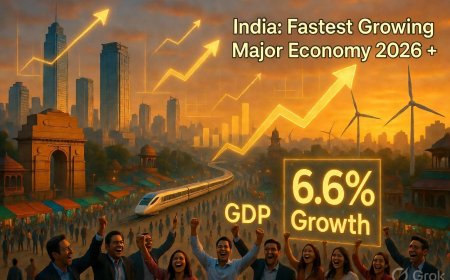
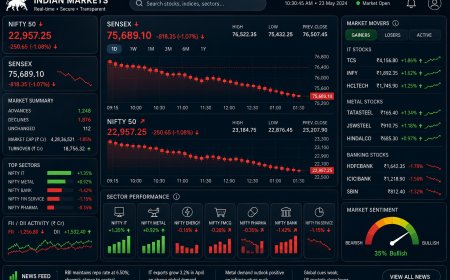
On the Indian side, the deal promises zero tariffs and non-tariff barriers on American products entering India — a massive opening for US exporters. For Indian businesses and consumers, this is huge relief: sectors like textiles, pharmaceuticals, electronics components, gems & jewelry, and auto parts (which faced steep duties) now gain competitive edge in the massive US market. Indian stock indices surged on the news, with the rupee strengthening as investor sentiment turns bullish.
Trump framed it as a win-win under his "America First" strategy — using tariffs as smart leverage to realign global alliances, isolate Russia economically, and deliver lower costs for American households through cheaper imports. Modi responded positively, thanking Trump "on behalf of 1.4 billion Indians" and expressing hopes for an even stronger bilateral partnership reaching "unprecedented heights."
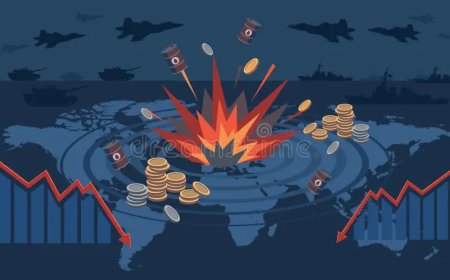
However, details remain somewhat fluid: Indian officials haven't fully confirmed the immediate halt on Russian oil (refiners may need time to wind down existing contracts), and the Kremlin claims it hasn't heard official statements from Delhi. Critics point to potential disruptions in global oil supply chains, higher short-term costs for Indian refiners switching suppliers, and questions about enforcement. Supporters see it as a diplomatic masterstroke that could pressure Moscow toward peace talks while strengthening QUAD-like ties against China.
Markets are loving it — expect continued volatility but upward momentum in Indo-US trade-related stocks. This could mark the beginning of broader tariff diplomacy resets worldwide.
What's Your Reaction?
 Like
4
Like
4
 Dislike
0
Dislike
0
 Love
0
Love
0
 Funny
0
Funny
0
 Angry
0
Angry
0
 Sad
0
Sad
0
 Wow
1
Wow
1