





























Revolutionizing Learning: The Rise of AI in Education
Explore the latest trends in AI-driven education for 2026, including personalized learning, adaptive assessments, and how technology is enhancing teaching and student outcomes worldwide.

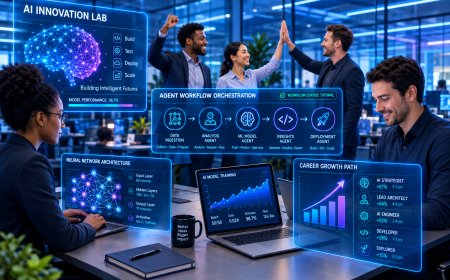
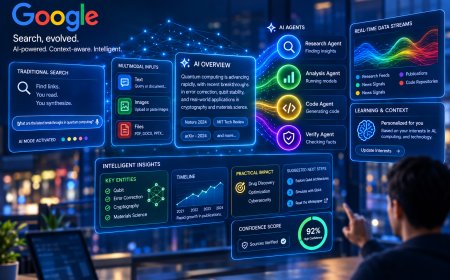
In 2026, artificial intelligence is no longer a futuristic concept but a core component of modern education. From personalized learning paths that adapt to each student's needs to AI-powered tools that assist teachers in creating dynamic lesson plans, AI is bridging gaps in accessibility and engagement. For instance, adaptive platforms use data analytics to identify struggling students early, allowing for targeted interventions that prevent learning setbacks.
This trend is particularly evident in addressing the literacy crisis and algebra access gaps, as highlighted by education experts. Moreover, AI agents are emerging as virtual tutors, providing instant feedback and fostering human-centric skills like critical thinking and creativity. As schools integrate these technologies, the focus shifts towards ethical AI use, ensuring equity and data privacy in diverse learning environments.
Major Impacts of AI in Education:
- AI systems tailor lessons to each learner’s strengths, weaknesses, pace, and preferred style. This approach helps students master concepts more effectively than traditional one-size-fits-all methods.
- AI tools provide real-time feedback instead of waiting for teacher grading, helping students learn from mistakes immediately and reinforcing understanding.
AI adoption in education has grown rapidly, with most schools and institutions integrating generative AI tools and platforms into classrooms and administrative workflows. The global AI in education market is expected to expand significantly in the coming years, driven by increased EdTech investment and demand for scalable solutions.
AI is not replacing teachers — it’s augmenting them. With responsible implementation, it can:
- Make learning more adaptive and accessible
- Free teachers to focus on creativity and mentorship
- Help institutions operate more efficiently
- Prepare students for an AI-driven world
However, continued attention to ethics, equity, and human-AI collaboration will be vital for harnessing AI’s full potential in education.
What's Your Reaction?
 Like
5
Like
5
 Dislike
0
Dislike
0
 Love
0
Love
0
 Funny
0
Funny
0
 Angry
0
Angry
0
 Sad
0
Sad
0
 Wow
0
Wow
0