































Eco-Anxiety 2026: Coping Tips for Climate Change Anxiety Trending Worldwide
Eco-anxiety and climate stress searches are surging in 2026. Learn what it really is, why it’s normal, and 4 practical ways to move from overwhelm to empowered action – without burnout.
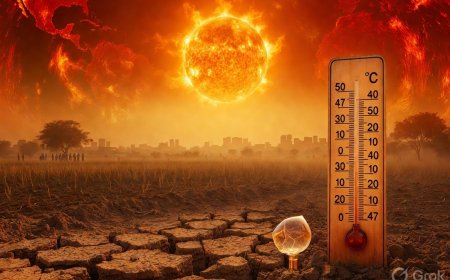
If you’ve ever felt your chest tighten while reading another record-breaking heatwave headline, you’re far from alone. Eco-anxiety (also called climate anxiety or environmental stress) is the chronic worry, grief, and helplessness many of us feel about the planet’s future. In early 2026, Google searches for “climate change anxiety” and “eco-anxiety” continue their multi-year surge – up thousands of percent since 2018 – with fresh spikes after every extreme weather event. Recent reports from Euronews (Feb 2026) and the American Psychological Association confirm it: this isn’t a “trend” – it’s a rational human response to a very real crisis.
The good news? Feeling this way doesn’t mean you’re weak or overreacting. It means your brain is doing exactly what it evolved to do: alert you to threats. Yet when that alert stays on 24/7, it drains us. Young people especially – Gen Z and Millennials – report the highest levels, with surveys showing over 60% of 16-25-year-olds worldwide feeling “very worried” and nearly half saying it affects their daily life. The constant stream of melting ice, wildfires, and policy gridlock creates a low-level hum of dread that many now call “the silent impact” on mental health.
So how do we live with it without letting it paralyze us? Start by validating the emotion instead of fighting it. Then take tiny, meaningful steps that reconnect you to agency:
- Limit doom-scrolling – set a 15-minute daily news boundary and replace the rest with solution-focused accounts.
- Spend time in nature without your phone – even 20 minutes lowers cortisol and reminds you the Earth is still fighting back.
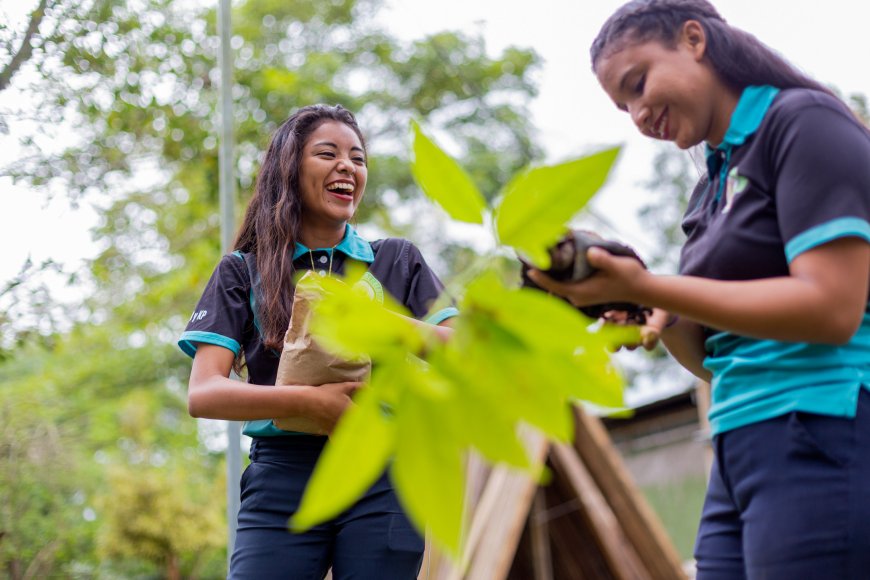
- Join or start micro-action circles – local tree-planting drives, community clean-ups, or even group letters to politicians turn shared anxiety into shared power.
- Practice “active hope” – climate psychologist Joanna Macy’s simple ritual: acknowledge the pain, remember what you love about this world, and act anyway.
What's Your Reaction?
 Like
1
Like
1
 Dislike
0
Dislike
0
 Love
0
Love
0
 Funny
0
Funny
0
 Angry
0
Angry
0
 Sad
0
Sad
0
 Wow
0
Wow
0