





























Gym Culture & Body Image Issues 2026: The Hidden Crisis Behind the Mirror Selfies
2026 fitness trends promise mental health and community, yet gym culture is still breeding bigorexia, comparison, and dysmorphia. Discover the dark side of TikTok gains and how to build a healthier relationship with your body.
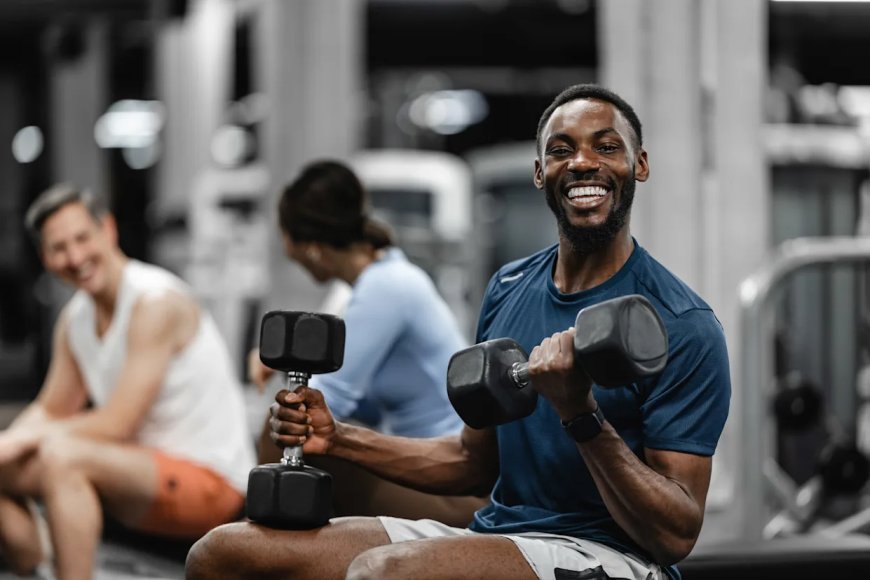
In 2026, the gym floor looks stronger than ever on camera – sculpted shoulders, shredded abs, and perfectly angled mirror selfies flooding every feed. Yet behind the flexes, a quieter epidemic is growing. Young men are battling “bigorexia” (muscle dysmorphia), obsessing over getting bigger no matter the cost, while women and non-binary gym-goers still chase the “perfect” post-workout glow that never quite arrives. Social media didn’t create body image issues, but it supercharged them into a daily comparison game that leaves most of us feeling smaller, softer, or simply not enough.
The numbers tell a troubling story. Body dissatisfaction among boys and young men has surged, with clinicians linking it directly to TikTok gym culture and “looksmaxxing” trends that glorify extreme leanness or bulk. Gymtimidation is real: the pressure to lift heavier, post sharper, and look more “disciplined” than yesterday. What started as motivation has morphed into envy-fueled workouts, skipped meals, and secret shame when progress stalls. Meanwhile, the old “no pain, no gain” mantra is quietly being called out as the very thing pushing people away from sustainable fitness.
But here’s the 2026 twist – the trends are finally shifting in the right direction. ACSM’s latest report crowns “Exercise for Mental Health” as a top riser, with 78% of people now saying they train primarily for emotional well-being, not aesthetics. JOMO (Joy of Missing Out) is replacing toxic hustle culture, community-led sessions are booming, and functional fitness is overtaking mirror-muscle obsession. People are showing up for connection, not just cuts. Gen Z is leading the charge, demanding gyms that feel like safe spaces instead of judgment zones.
This evolution doesn’t mean ditching the gym – it means redefining why we’re there. Real strength in 2026 looks like showing up consistently without punishing your body, celebrating mobility over measurements, and lifting for longevity instead of likes. Body positivity isn’t about lowering standards; it’s about raising awareness that every body – soft, strong, in-between – deserves space on the gym floor without apology. Coaches who once demanded ripped physiques are now being called out for gatekeeping; the new standard is empathy plus results that last beyond a photoshoot.
The fix starts small but hits deep: mute the highlight-reel accounts, track how you feel after workouts instead of how you look in the mirror, and find a training crew that cheers effort over aesthetics. Swap one “shred session” for a walk with friends or a yoga flow that quiets the mind. When the culture stops worshipping the mirror and starts valuing the mind, the real gains begin – confidence that doesn’t need a filter, strength that doesn’t demand suffering, and a body image that finally feels like home.
Your next workout doesn’t have to be perfect. It just has to be yours. That’s the only trend worth chasing in 2026.
What's Your Reaction?
 Like
0
Like
0
 Dislike
0
Dislike
0
 Love
0
Love
0
 Funny
0
Funny
0
 Angry
0
Angry
0
 Sad
0
Sad
0
 Wow
0
Wow
0