






























India’s Scorching 2026: How Super El Niño is Fueling Deadly Heatwaves 🌡️
Explore India’s severe 2026 heatwave crisis intensified by developing Super El Niño. Learn about record temperatures, monsoon risks, health impacts, and practical tips amid climate challenges.
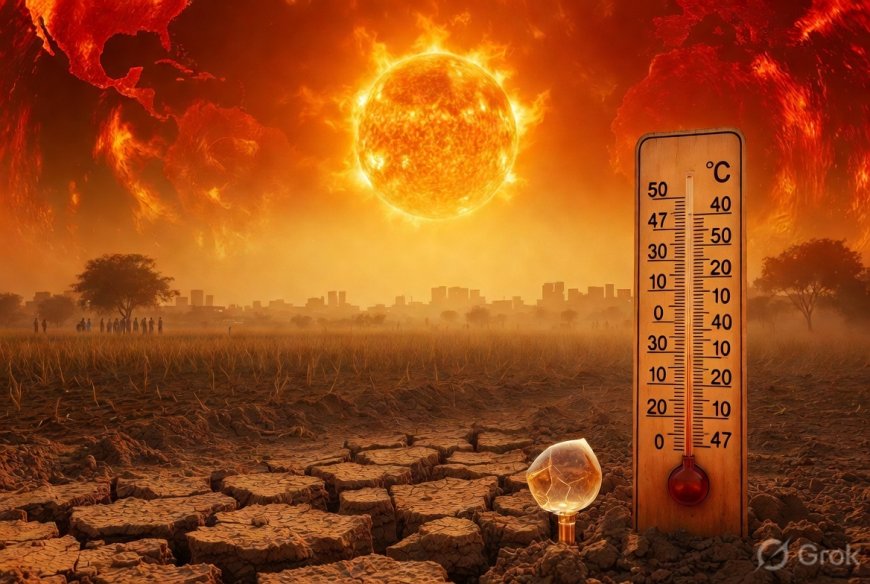
India is burning. With temperatures soaring past 47°C in states like Uttar Pradesh and widespread heatwave alerts across North, Central, and Eastern India, 2026’s summer has arrived with a vengeance. As a powerful Super El Niño brews in the Pacific, experts warn of prolonged extreme heat, weaker monsoons, water scarcity, and rising health risks. From heatstrokes to agricultural threats, this climate double whammy demands urgent attention. Stay safe, stay informed. 🌍🔥
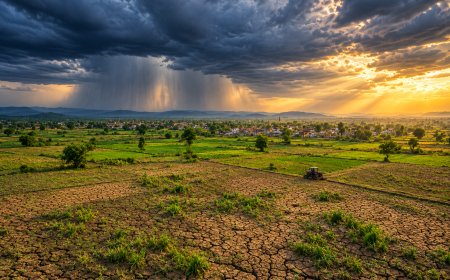
As India battles one of its harshest early summers in 2026, heatwave conditions have engulfed multiple states with maximum temperatures spiking 4–7°C above normal. Cities and towns from Rajasthan to Bihar are experiencing relentless heat, pushing power demand to new highs and straining water resources.
What is El Niño and Why “Super” Matters?
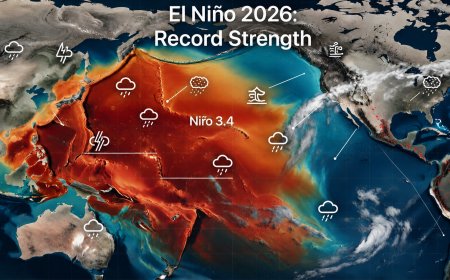
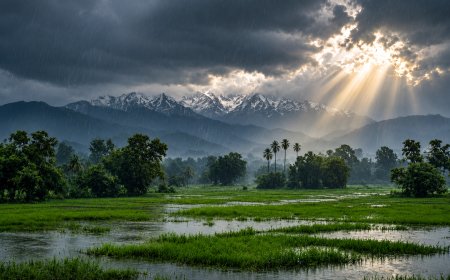
El Niño is the warming of sea surface temperatures in the central and eastern Pacific Ocean. A Super El Niño refers to an exceptionally strong event (often 2°C+ above normal), which disrupts global weather patterns. In India, it typically weakens the Indian Southwest Monsoon, leading to below-normal rainfall, extended dry spells, and intensified heatwaves.
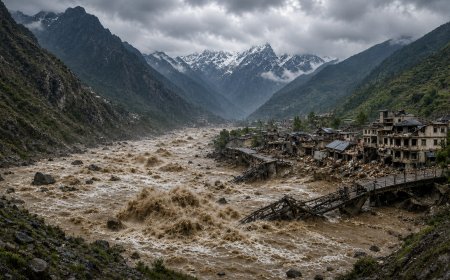
Experts note that the frequency and severity of heatwaves often increase in the year following or during strong El Niño phases. With conditions tilting toward a likely strong event by mid-2026, concerns are mounting for prolonged summer heat into later months and potential drought-like conditions affecting agriculture.
Key Impacts on India:
- Health Risks: Increased cases of heatstroke, dehydration, exhaustion, and worsened air quality.
- Agriculture & Water: Threat to kharif crops due to erratic or deficient monsoon; rising irrigation demands.
- Economy & Infrastructure: Soaring electricity use for cooling, potential power shortages, and impacts on livestock.
- Urban Heat: Cities amplifying temperatures through concrete and reduced green cover.
Call to Action:
Hydrate frequently, avoid direct sun between 12–4 PM, check on vulnerable family members, and support sustainable practices. Share this to raise awareness! What’s the temperature in your city? Comment below. 💧🌡️
What's Your Reaction?
 Like
0
Like
0
 Dislike
0
Dislike
0
 Love
0
Love
0
 Funny
0
Funny
0
 Angry
0
Angry
0
 Sad
0
Sad
0
 Wow
0
Wow
0