


































Rising Oil Prices 2026: How the Iran Conflict is Sabotaging Climate Progress & Hitting Your Wallet Hard
Oil prices surged past $100 in March 2026 due to Middle East conflict. Discover how rising oil prices stall climate action, spike inflation, and why renewables are now urgent for economic & environmental security. India impact & solutions explained.
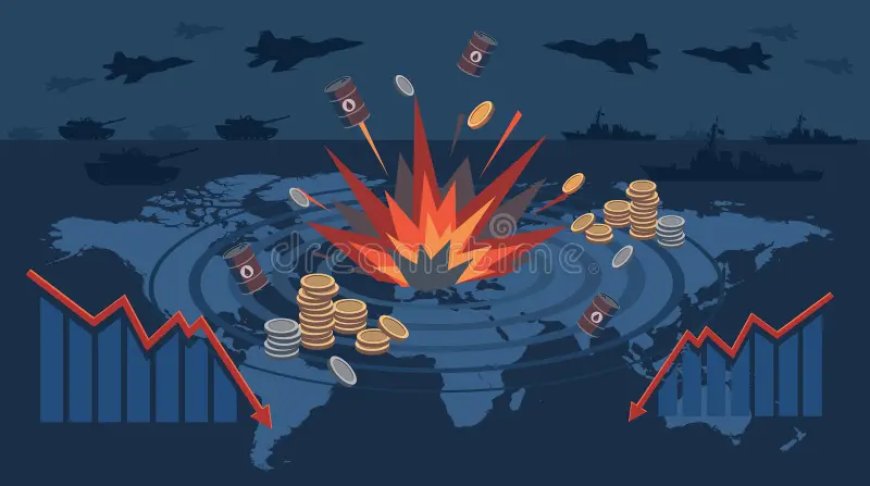
As of March 20, 2026, Brent crude is trading around $107-108 per barrel (down slightly from peaks above $119 earlier this week), while WTI hovers near $95. This isn't just volatility — it's a full-blown energy shock triggered by the escalating US-Israel-Iran conflict. Strikes on Iranian facilities, retaliatory attacks hitting Gulf energy sites (including South Pars gas field), and Iran's effective blockade of the Strait of Hormuz have slashed ~20% of global oil & gas flows. Tanker traffic halted, insurance costs soared, and shipments disrupted — sending prices up 50%+ since early 2026.
Immediate Global & Economic Fallout:
- Inflation bomb: Every $10 jump in oil adds roughly 0.2-0.4% to headline inflation. This surge is already rippling: US gasoline nearing $3.50+/gallon, Europe facing heating bill spikes, and emerging markets like India hit hardest.
- Recession whispers: Goldman Sachs & others warn prolonged disruptions could push prices toward $130-150 if the strait stays closed long-term. Growth forecasts slashed — global slowdown fears mounting.
- India's pain point: As a net importer of ~85-90% of its crude (half via Hormuz), India faces massive import bill inflation. Petrol/diesel prices rising fast, industries reeling — in Gujarat's Morbi ceramics cluster (90% of India's output, ₹750B industry, 400K jobs), over 400 factories shut for weeks due to gas shortages. Nationwide, analysts cut FY27 growth to 6.5-6.8%, inflation risks climbing to 4%+, rupee under pressure, trade deficit widening. Households feel it at pumps, groceries, transport — every extra ₹10-20/litre hurts daily life.
The Climate Change Connection – Why This Hurts Green Progress Even More: Short-term sabotage: High oil forces panic mode. Governments delay EV subsidies, slow renewable auctions, and backpedal on net-zero timelines to ease fuel pain. Major energy firms quietly pause decarbonization pledges — Reuters notes sustainability "tends to stall" during surges. UN climate chief warned this week: fossil dependence leaves us "at the mercy of geopolitical shocks" — echoing 1973, 1979, 2022 crises that derailed momentum every time.
Long-term irony & wake-up call: This chaos proves oil's fragility. Wars, blockades, and volatility don't hit renewables — solar/wind costs keep falling, batteries improve, EVs insulate from pump prices. India's rooftop solar push & green hydrogen ambitions could shield millions from future shocks, create jobs, cut emissions permanently. Yet right now, crisis budgets divert funds from climate resilience to short-term fuel relief.
Silver lining? History shows oil shocks accelerate transitions when leaders act boldly: post-1970s oil crises birthed efficiency & renewables booms. Today, with climate tipping points nearing (extreme heat, floods, monsoons worsening in Gujarat & beyond), this is the moment to pivot hard.
Policymakers: Redirect subsidies from fossils to clean energy stability. Citizens & businesses: Demand faster renewables rollout — it's cheaper, cleaner, & geopolitically secure long-term.
What's Your Reaction?
 Like
1
Like
1
 Dislike
0
Dislike
0
 Love
0
Love
0
 Funny
0
Funny
0
 Angry
0
Angry
0
 Sad
0
Sad
0
 Wow
0
Wow
0