

































Iran-Israel Conflict 2026 Triggers Global Oil Crisis | Oil Prices Surge to $105+ & Economic Impact Explained
Ongoing Iran-Israel war blocks Strait of Hormuz, spiking global oil prices 50%+ to over $100/barrel in March 2026. Latest on recession risks, gas price hikes, and worldwide fallout
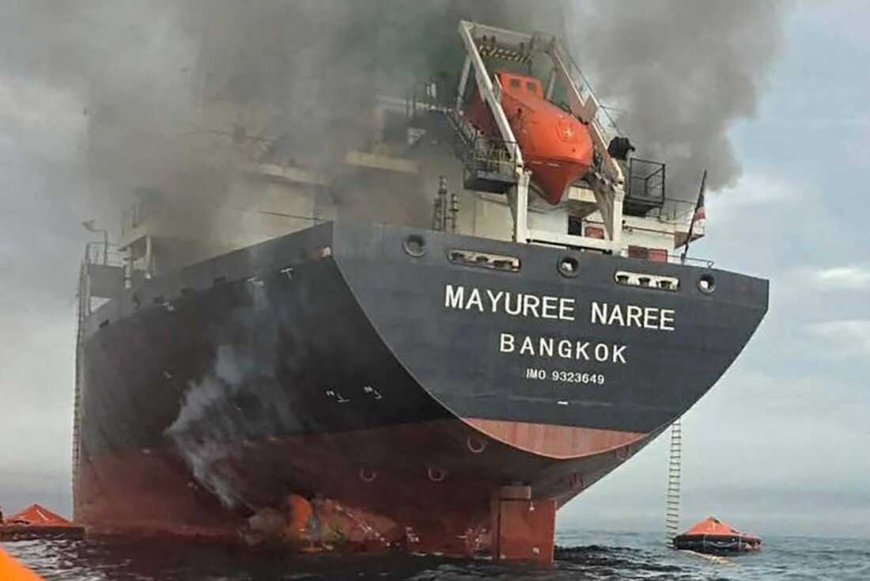
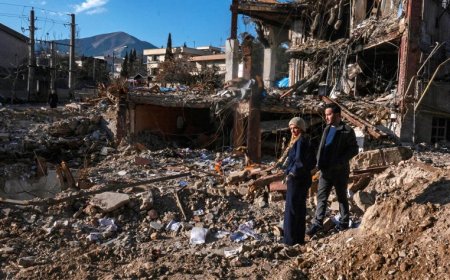
The Iran-Israel conflict that erupted on February 28, 2026, has morphed from regional strikes into the biggest oil market disruption in modern history. US-Israeli operations targeted Iranian infrastructure, prompting Tehran to retaliate with ballistic missiles and direct attacks on tankers in the Strait of Hormuz – the narrow chokepoint carrying 20% of the world’s oil and LNG.
Navigation there has ground to a near-halt for weeks. Result? Brent crude has surged over 50% since late February, now trading above $100–$105 per barrel. US gasoline averages $3.79/gallon (highest since 2023), diesel has crossed $5 nationwide, and ripple effects are slamming everything from European heating bills to Asian factory costs.
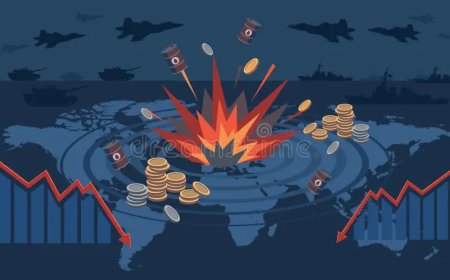
Experts call it worse than the 1970s shocks – supply slashed by millions of barrels daily, global surplus forecasts cut by a third, and fears of full-blown recession rising in the US, China, and Europe. Food prices, fertilizers, and transport costs are climbing fast. Developing nations face the harshest blow.
While some release strategic reserves and OPEC tweaks output, analysts warn: without a swift diplomatic breakthrough, $90–$100 oil could become the painful new normal. The world is watching Hormuz – one more tanker attack could tip the scales from crisis to catastrophe.
The US-Israeli military campaign against Iran, launched on February 28, 2026, has escalated into a full-blown energy crisis. Strikes on Iranian leadership, nuclear sites, and Kharg Island (which handles 90% of Iran's oil exports) prompted fierce retaliation: ballistic missiles, drone swarms, and direct attacks on shipping.
Iran has effectively weaponized the Strait of Hormuz — the narrow chokepoint carrying ~20% of global oil and 20% of LNG. As of mid-March, tanker traffic has plunged by up to 86%, with over 150 vessels anchored outside the strait and at least 17–21 confirmed attacks on merchant ships (including a US-owned tanker). New Supreme Leader Ayatollah Mojtaba Khamenei has vowed to keep using the "Hormuz lever."
Market Impact (as of March 18, 2026):
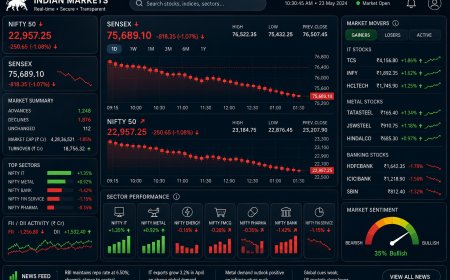
- Brent crude: Surged over 50% since late February, trading near $102–$106/barrel (briefly over $115–$120).
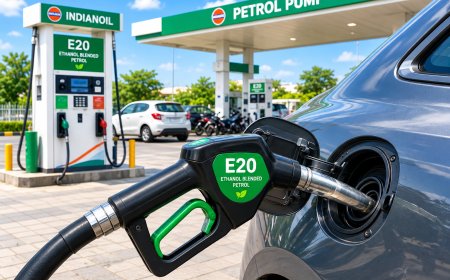
- US gasoline: Averaging $3.70–$3.79/gallon (highest since 2023); diesel approaching or exceeding $5 in many areas.
- Global ripple effects: Higher heating bills in Europe, factory shutdown risks in Asia, soaring food & fertilizer prices in developing nations, and mounting recession warnings for the US, China, and Europe.
Mitigation efforts include the IEA releasing a record 400 million barrels from strategic reserves, limited bypass pipelines (Saudi East-West and UAE routes cover only ~15–20% of lost volumes), and President Trump urgently calling for an international naval coalition to reopen the strait — so far with lukewarm allied response. Some "shadow fleet" tankers continue limited passages, mostly Iranian oil to China.
Analysts warn this is the biggest supply disruption in decades — potentially worse than the 1970s shocks if the blockade persists. Without a rapid diplomatic breakthrough or successful coalition patrols, $90–$110+ oil could become the new reality, fueling inflation and slowing growth worldwide.
Stay informed. The next missile wave or ceasefire talk could swing markets overnight.
What's Your Reaction?
 Like
1
Like
1
 Dislike
0
Dislike
0
 Love
0
Love
0
 Funny
0
Funny
0
 Angry
0
Angry
0
 Sad
0
Sad
0
 Wow
0
Wow
0