































India Eyes Higher Ethanol Blends Beyond E20: Flexi-Fuel Vehicles to Drive Next Phase of Energy Independence
Ethanol Blending Beyond E20 in India 2026 | Flexi-Fuel Vehicles & Energy Security Update
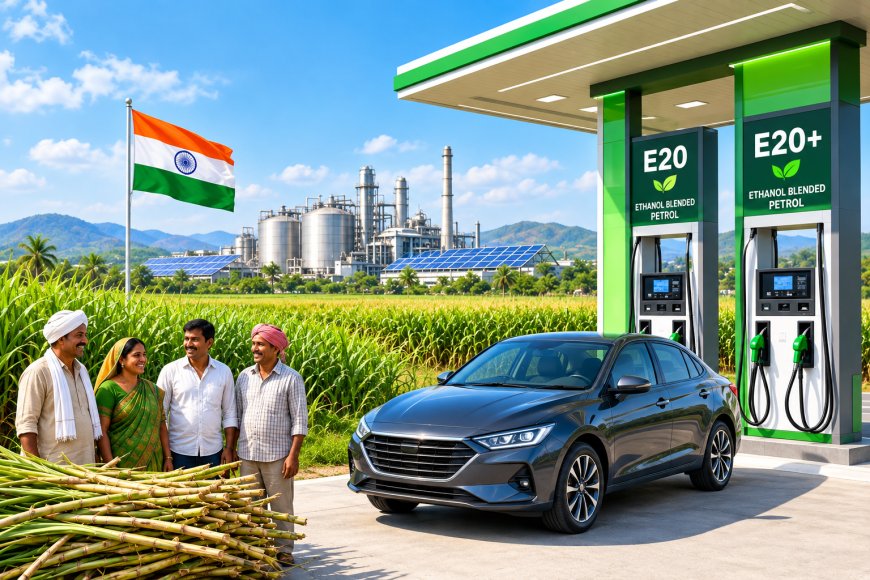
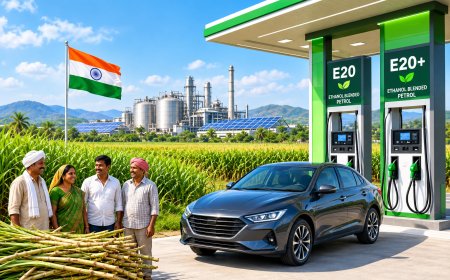
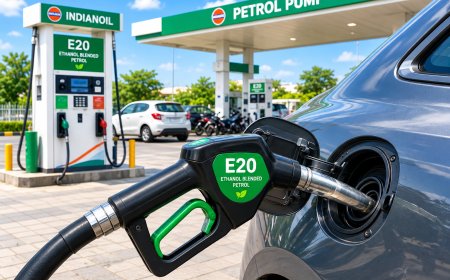
India has already rewritten its energy story. The nation achieved the ambitious 20% ethanol blending (E20) target in petrol during the 2025-26 Ethanol Supply Year — a full five years ahead of the original 2030 deadline. Oil marketing companies have been supplying E20 fuel nationwide, turning what was once a distant goal into everyday reality at petrol pumps across the country.
Now the government is looking further. On 9–10 September 2026, Advisor to the Prime Minister Tarun Kapoor confirmed that India is actively working to permit ethanol blending levels higher than E20. The key enabler? Flexi-fuel vehicles (FFVs) that can run on higher ethanol percentages, including potential E30, E85 and even closer to pure ethanol options in the future.
Kapoor highlighted that the E20 programme has been “very successful.” Several automakers have already announced plans to roll out flexi-fuel models. Alongside this, the availability of pure ethanol at more fuel outlets will be expanded to support the transition. The government is also exploring biofuel additives for the diesel segment and encouraging ethanol producers to diversify into compressed biogas, ensuring that the massive investments already made in the biofuels sector remain secure.
The numbers tell a powerful story of progress:
- Ethanol blending rose from under 1.5% in 2013-14 to 20% in 2025-26.
- Installed ethanol production capacity has reached approximately 2,000 crore litres.
- The programme has saved over ₹1.97 lakh crore in foreign exchange, substituted nearly 316 lakh metric tonnes of crude oil, cut around 952 lakh metric tonnes of CO₂ emissions, and transferred more than ₹1.66 lakh crore directly to Indian farmers.
While earlier statements in mid-2026 indicated no immediate decision to raise the nationwide blend beyond 20% without further studies, the latest push focuses on enabling higher blends specifically through flexi-fuel vehicles rather than forcing them on the entire existing fleet. E85 fuel is already being rolled out at select pumps, with plans to expand the network significantly.
Challenges and debates continue, as they should in any large-scale policy. Concerns about fuel efficiency drops in older vehicles, potential engine wear, food-versus-fuel trade-offs, and water intensity of certain crops have been raised by consumers, experts, and researchers. The government has responded with detailed clarifications, scientific studies, and statements that E20 is safe when used as per manufacturer guidelines, that only surplus or non-food-grade material is diverted for ethanol, and that zero-liquid-discharge norms are being enforced at distilleries. Recent research papers have even suggested maintaining flexibility — keeping E20 as the long-term goal while allowing temporary adjustments if feedstock availability tightens in a particular year.
Looking ahead, the next phase is not simply about higher percentages. It is about building resilience. Surplus ethanol production capacity (estimated by industry bodies at several hundred crore litres beyond current E20 needs) is prompting discussions on new applications — including ethanol derivatives for diesel blending, compressed biogas, and other industrial uses. This diversification is important because ethanol plants are long-lived assets, and the government wants to ensure that the investments made by the private sector remain viable even as electric vehicles grow and petrol demand patterns evolve.
India’s approach draws lessons from global pioneers such as Brazil, but it is distinctly Indian in its speed, scale, and multi-feedstock strategy. What took Brazil decades, India has compressed into a little over a decade of intense policy focus and execution. The result is a growing domestic biofuel industry that strengthens energy security, supports agricultural incomes, and contributes to climate goals — all while keeping the internal combustion engine relevant during the long transition to electrification.
In short, E20 was the milestone. Flexi-fuel vehicles and higher blends are the next chapter. With policy signals clear, industry capacity in place, and automakers preparing their response, India’s ethanol story is entering a more ambitious and flexible phase — one designed to deliver cleaner fuel, greater self-reliance, and sustained benefits for farmers and the economy for years to come.
What's Your Reaction?
 Like
0
Like
0
 Dislike
0
Dislike
0
 Love
0
Love
0
 Funny
0
Funny
0
 Angry
0
Angry
0
 Sad
0
Sad
0
 Wow
0
Wow
0