































Fibermaxxing & Whole-Food Revival: The Healthy Diet Trends Dominating 2026
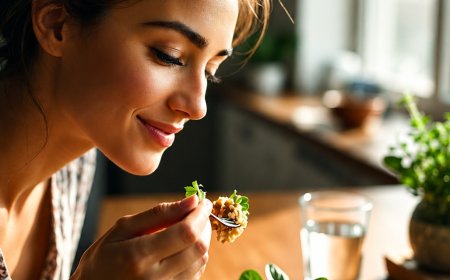
In 2026, healthy eating has shifted from extreme restriction and protein obsession to smart, sustainable habits. Fibermaxxing, whole minimally processed foods, high-protein nutrient density, and functional gut-friendly drinks are leading Google searches and real-world plates. These trends prioritize long-term healthspan over quick fixes
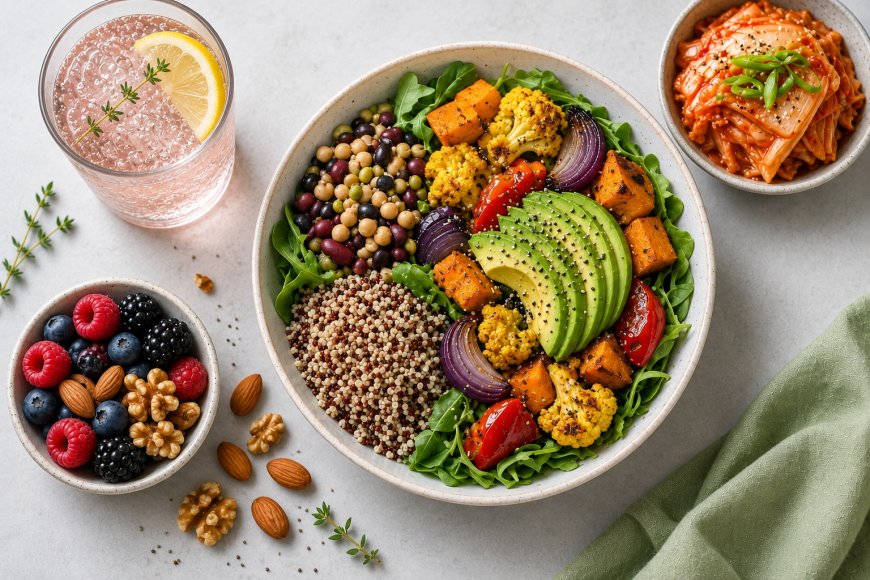
Healthy diet trends in 2026 mark a clear and welcome shift. After years of chasing extreme restrictions, ultra-processed “health” products, and protein-in-everything marketing, people are returning to foundational principles — but with better science, smarter tools, and a stronger focus on how food makes them feel over time.
1. Fibermaxxing: The Standout Trend of 2026
Fiber has officially overtaken protein as the nutrient everyone is talking about. Searches for “fibermaxxing” and dietary fiber have reached all-time highs according to Google Trends data. The concept is simple yet powerful: intentionally increase daily fiber intake through whole food sources such as beans, lentils, chickpeas, chia seeds, flaxseeds, oats, vegetables, fruits with skins, and prebiotic-rich ingredients.
Why it works: Fiber supports gut microbiome diversity, improves blood sugar control, promotes longer satiety, aids digestion, and is linked to better metabolic and heart health. The modern approach is balanced rather than extreme — gradually adding fiber instead of jumping from low to very high amounts overnight, which can cause bloating. Common practical strategies include stirring chia into yogurt or applesauce, adding an extra cup of legumes daily, choosing high-fiber snacks, and prioritizing vegetables at every meal. Brands and home cooks alike are responding with creative high-fiber recipes that actually taste good.
2. The Whole-Food & Minimally Processed Foods Revival
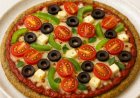
The updated Dietary Guidelines for Americans 2025–2030 strongly reinforce this direction. The message is clear: prioritize real, nutrient-dense foods and dramatically reduce highly processed items, added sugars, artificial additives, and refined carbohydrates.
Core recommendations now emphasize:
- Quality protein at every meal
- Full-fat dairy without added sugars
- Vegetables and fruits in whole forms throughout the day
- Healthy fats from avocados, nuts, seeds, olives, olive oil, eggs, seafood, and meats
- Whole grains over refined ones
- Water and unsweetened beverages as the default
This “eat real food” philosophy is practical and adaptable across different cultures and lifestyles. People are reading ingredient lists more carefully and choosing products with five ingredients or fewer as a simple rule of thumb for nutrient density.
3. Smarter Protein Intake (Proteinmaxxing Evolved)
Protein remains important, especially for muscle maintenance, satiety, and supporting people on GLP-1 medications who often need highly nutrient-dense smaller portions. The difference in 2026 is quality and balance. Instead of forcing protein into every possible food (protein popcorn, protein candy, etc.), the focus has shifted toward whole-food sources and hitting 25–35 grams of protein per meal to effectively stimulate muscle protein synthesis.
Eggs, Greek yogurt, cottage cheese, fish, poultry, lean meats, legumes, and tofu remain staples. The trend rewards consistency and food quality over maximum numbers.
4. Functional Beverages and Gut-Health Support
Functional beverages have moved from niche to mainstream. Prebiotic sodas, probiotic drinks, and low-sugar sparkling options (similar to popular brands like Olipop, Poppi, and others) deliver fiber and gut-supporting compounds without the sugar crash of traditional soft drinks. These drinks fit modern lifestyles — convenient, better-for-you, and still enjoyable.
Alongside them, fermented foods such as kefir, kimchi, sauerkraut, and miso continue rising because of growing awareness of the gut–brain axis and its connection to mood, immunity, and long-term cognitive health.
5. Nutrient Density and Healthspan Eating
Calorie counting is losing ground to a more sophisticated idea: nutrient density. The goal is to get more vitamins, minerals, polyphenols, fiber, and beneficial compounds per calorie. This aligns with “healthspan” thinking — not just living longer, but staying healthy, energetic, and resilient for longer.
Mediterranean-style and anti-inflammatory patterns remain highly recommended. These emphasize colorful produce, extra-virgin olive oil, fatty fish, nuts, seeds, legumes, and herbs while limiting ultra-processed foods. Precision approaches guided by wearables, continuous glucose monitors, and AI tools are also growing, helping people personalize what works best for their own bodies.
Putting It All Together in Daily Life
The strongest results come from combining these trends rather than treating them as separate diets:
- Build meals around a quality protein source
- Load the plate with fiber-rich plants and legumes
- Choose whole or minimally processed ingredients
- Support gut health with fermented foods and functional drinks
- Focus on nutrient density instead of restriction
This style of eating is sustainable. It supports energy, digestion, satiety, metabolic health, and long-term well-being without the fatigue that comes from rigid rules or extreme elimination diets.
In short, 2026 healthy diet trends favor realism, science-backed fundamentals, and enjoyment. Fibermaxxing, whole foods, smarter protein, functional gut support, and nutrient density are not fleeting fads — they represent a mature, practical evolution in how people approach food for lasting health.
What's Your Reaction?
 Like
0
Like
0
 Dislike
0
Dislike
0
 Love
0
Love
0
 Funny
0
Funny
0
 Angry
0
Angry
0
 Sad
0
Sad
0
 Wow
0
Wow
0