













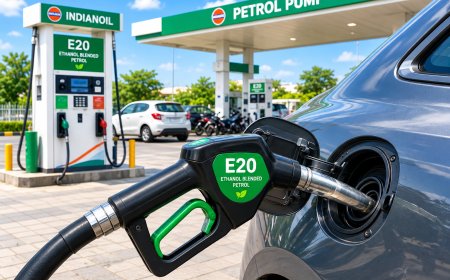








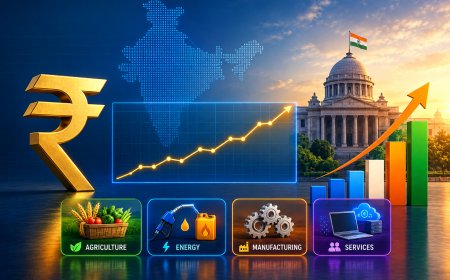










E20 Petrol in India 2026: Real Benefits, Common Problems & Latest Updates Every Driver Must Know
Complete guide to E20 petrol in India: benefits for environment & economy, real mileage drop & engine concerns, government stance, and latest 2026 updates.
What Exactly is E20 Petrol?
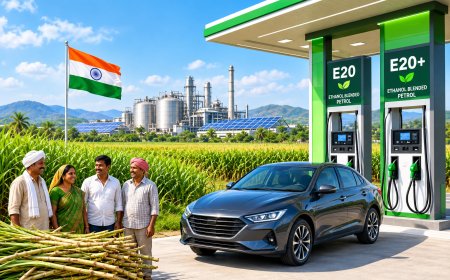
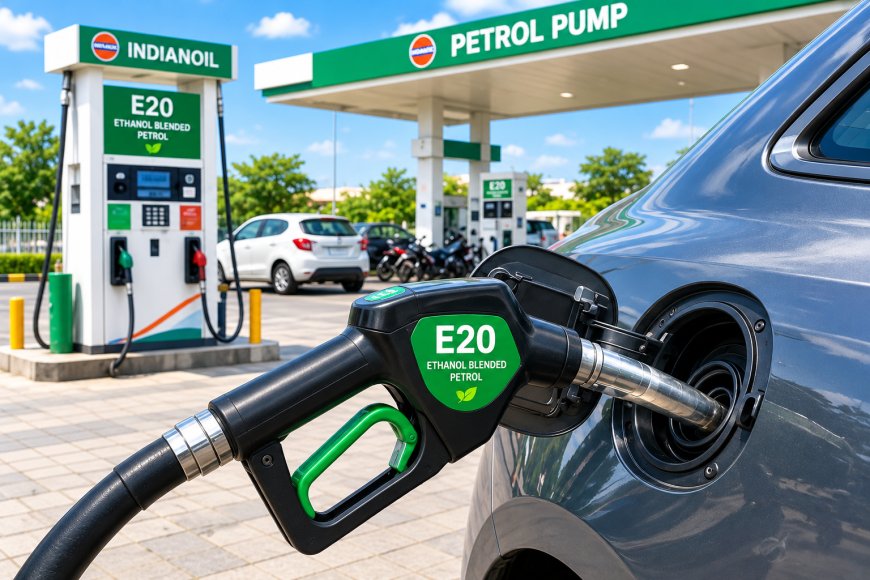
E20 is a fuel blend containing 20% anhydrous ethanol and 80% petrol. India completed the nationwide rollout of E20 as the standard petrol at virtually every fuel station by April 2025 — five years ahead of the original 2030 target under the National Policy on Biofuels.
From 1 April 2026, all E20 petrol sold in the country must meet a minimum Research Octane Number (RON) of 95. This higher octane comes naturally from ethanol (which has a RON of around 108–109). Pure petrol or lower blends (E0/E10) are still available in limited quantities at some stations but usually cost 40–50% more depending on the state.
Detailed Benefits of E20 Petrol
1. Higher Octane and Improved Engine Performance
Ethanol’s high octane rating significantly improves the anti-knock characteristics of the fuel. This allows modern engines (especially those with higher compression ratios) to run more efficiently with smoother combustion. Many drivers of newer cars report better throttle response and reduced knocking under load. Government and ARAI studies highlight cleaner and more complete combustion, leading to smoother acceleration and improved ride quality in compatible vehicles.
2. Environmental Advantages
- Lower carbon monoxide and hydrocarbon emissions
- Significant reduction in particulate matter (soot)
- Lifecycle greenhouse gas emissions can be up to 30–40% lower compared to pure petrol in some assessments
- Overall programme impact (since the ethanol blending drive began): approximately 952 lakh metric tonnes of CO₂ emissions avoided
3. National Economic and Energy Security Gains
- Crude oil import displacement of nearly 316 lakh metric tonnes
- Foreign exchange savings exceeding ₹1.97 lakh crore
- Direct income support to farmers of more than ₹1.66 lakh crore through ethanol procurement (mainly from sugarcane, maize, and damaged foodgrains)
- Reduced dependence on imported oil, especially important during global supply disruptions
4. Compatibility with Modern Vehicles
All passenger vehicles sold in India from April 2023 onwards are E20-compatible. Many BS-VI models manufactured earlier were already designed or updated for higher ethanol blends. Major manufacturers (Maruti Suzuki, Tata, Mahindra, Toyota, etc.) have publicly stated that their post-2023 models run safely on E20 without any special modifications.
Real Problems and Concerns Reported by Users
1. Mileage / Fuel Efficiency Drop
This is the most consistently acknowledged downside. Ethanol has roughly one-third less energy content per litre than petrol. Official estimates from ARAI, SIAM, and the government range between 2–6% reduction in fuel economy (most commonly cited as 3–5% for older vehicles and lower for newer calibrated ones).
Independent real-world tests (including Autocar India) have sometimes recorded higher drops — 5–12% depending on the vehicle, driving conditions, and whether it was originally tuned for E10 or pure petrol. For a car that previously gave 15 km/l, this can mean an extra 0.5–1.5 litres per 100 km.
2. Potential Issues in Older Vehicles
- Rubber and elastomer components (fuel hoses, seals, gaskets, O-rings) can swell, harden, or degrade faster with higher ethanol content.
- Pre-2016 BS-III and some BS-IV vehicles are more susceptible.
- Anecdotal reports from mechanics include clogged fuel injectors, blocked filters, oxygen sensor issues, and higher repair bills (sometimes rising from ₹3,000–4,000 to ₹12,000–15,000 for fuel system work).
- Some owners of pre-2023 cars report sluggish performance, especially when the air-conditioner is on or while climbing gradients.
Important Note: The government and major OEMs strongly dispute widespread engine damage claims. Maruti Suzuki reported servicing over 2.84 crore vehicles in FY 2025-26 (including 1.5 crore non-E20-certified older cars) with no pattern of E20-linked corrosion or abnormal wear. Similar feedback has come from two-wheeler manufacturers. Warranties continue to be honoured.
3. Other Practical Issues
- E20 is not always cheaper to produce than pure petrol at current crude prices because ethanol is procured at remunerative rates for farmers.
- Limited availability of pure petrol or E10 forces most users onto E20.
- High-octane branded fuels (XP95, Speed, Power95) still contain the E20 base blend plus performance additives.
- Recent industry discussions have flagged occasional contamination issues (higher chloride or moisture levels) in some samples, though these are not officially linked to the ethanol itself.
Latest Updates (as of September 2026)
- Government has repeatedly told Parliament there is no plan to roll back to E0 or E10. The policy is to move forward with a “superior fuel.”
- No decision has been taken to increase blending beyond 20% in the near term. Any move to E25 or higher will only happen after detailed studies and stakeholder consultations.
- Bureau of Indian Standards has already notified specifications for E22, E25, E27 and E30 (IS 19850:2026). Recognition of E85 and E100 for flex-fuel vehicles is under consideration.
- Petrol car market share has declined as buyers increasingly prefer CNG, hybrids, and EVs partly due to E20 concerns.
- Discussions are ongoing about possibly offering E10 versions of high-octane branded fuels to give consumers more choice without creating separate nationwide infrastructure.
- Public and political debate remains active, with surveys showing a majority of older-vehicle owners reporting noticeable mileage loss and dissatisfaction with the rollout speed.
Practical Advice for Vehicle Owners
- Post-2023 cars & bikes: Generally safe. Expect a small mileage drop and enjoy the higher-octane benefits.
- 2016–2022 vehicles: Mostly compatible, but monitor fuel system components and keep service records.
- Pre-2016 vehicles: Consider inspecting/replacing rubber fuel lines and seals if you notice leaks, rough running, or reduced performance. Consult your manufacturer or a trusted mechanic.
- Use good-quality fuel from reputable pumps and consider periodic fuel system cleaner additives if recommended by your manufacturer.
- Track your actual mileage over a few full tanks to understand the real impact on your specific vehicle.
Final Verdict
E20 is a major national policy success in terms of energy security, farmer income, and emission reduction. For modern vehicles it works well with only a modest efficiency trade-off. For older vehicles the picture is more mixed — the mileage hit is real, and some maintenance costs may rise, even if catastrophic engine failures are not supported by large-scale data.
The debate continues, but E20 is here to stay as India’s standard petrol for the foreseeable future.
What's Your Reaction?
 Like
0
Like
0
 Dislike
0
Dislike
0
 Love
0
Love
0
 Funny
0
Funny
0
 Angry
0
Angry
0
 Sad
0
Sad
0
 Wow
0
Wow
0