


































India’s Inflation Cycle Enters New Phase: CPI Hits 4.82% as Food, Fuel & Global Risks Build – What It Means for Growth & RBI Policy
India Economy & Inflation Update Sept 2026: CPI at 4.82%, Food-Fuel Pressures, RBI Outlook & Growth Resilience
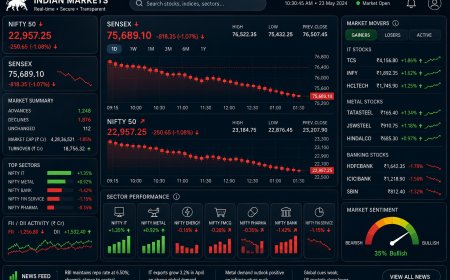
India’s economy is navigating a delicate but defining transition in September 2026. After nearly two years of unusually low inflation, price pressures have decisively entered a new upward phase. The latest official data shows that Consumer Price Index (CPI) inflation rose to 4.82% in August 2026, the highest level in approximately 20 months and the third consecutive month above the Reserve Bank of India’s 4% medium-term target. This follows 4.45% in July and 4.38% in June, confirming a clear sequential hardening of prices.
Food inflation has emerged as the single largest contributor, climbing to 5.95% in August. Within the food basket, the sharpest increases were recorded in vegetables (especially onions, garlic and ginger), sugar, prepared foods, eggs, meat and fish. Rural households, whose consumption basket is more heavily weighted toward food, are feeling the impact more intensely than urban consumers. At the same time, wholesale price inflation (WPI) remains stubbornly elevated near 9.9%, creating a wide gap between producer and consumer prices. Economists warn that this gap signals incomplete pass-through of input costs, meaning further upward pressure on retail prices is likely in the coming months.
Three major forces are simultaneously driving this inflation cycle:
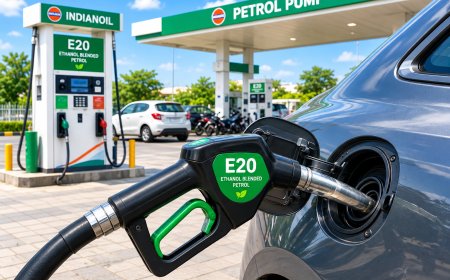
- Geopolitical energy shock – Prolonged conflict in West Asia has kept global crude oil prices elevated. India’s crude oil basket has surged significantly, raising the import bill and pushing up domestic fuel and transport costs. Goods transport inflation has already crossed 14%, while personal transport inflation remains above 7%.
- Weather and agricultural stress – Concerns around El Niño conditions and uneven monsoon distribution have affected sowing of pulses, oilseeds and certain vegetables. Fertiliser availability issues earlier in the season have compounded the problem, keeping food inflation sticky.
- Imported inflation and currency pressure – A weaker rupee has amplified the cost of imported commodities, including edible oils and intermediate goods, adding another layer of price pressure across the supply chain.
CRISIL’s latest assessment, released on 22 September 2026, notes that “the next phase of India’s inflation cycle may already be taking shape.” The rating agency expects CPI inflation to average around 5.1% for the full fiscal year 2026-27, with risks tilted to the upside. The Reserve Bank of India, in its August policy review, projected average CPI inflation of 5.0% for FY27, with a possible peak of 5.9% in the October–December quarter before moderating to 5.5% in the final quarter.
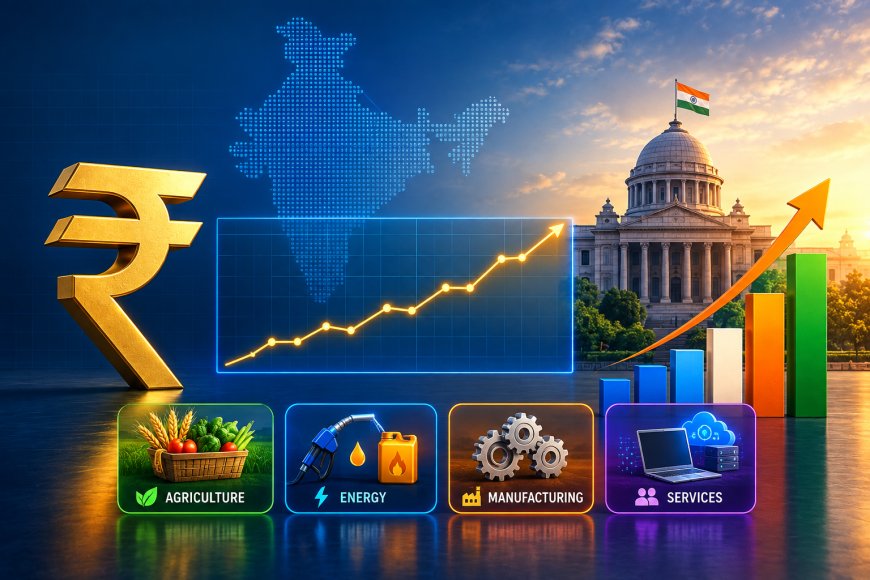
Despite these inflationary headwinds, India’s growth momentum remains one of the strongest among major economies. Real GDP expanded by a robust 7.8% in the April–June quarter, driven by resilient private consumption, strong investment activity and healthy services sector performance. Most private forecasters and multilateral agencies now expect full-year growth in the 6.7–7.0% range. Moody’s recently revised its FY27 growth forecast upward to 7%, citing the economy’s ability to absorb external shocks.
The Reserve Bank of India’s Monetary Policy Committee has so far maintained a neutral stance and kept the policy repo rate unchanged at 5.25%. Core inflation (excluding food and fuel) remains relatively contained, giving the central bank some room to prioritise growth. However, if food and fuel pressures begin to generalise into broader price categories, the policy calculus could shift. The next MPC meeting scheduled for early October will be closely watched for any change in tone or guidance.
For ordinary households, the current phase means higher grocery bills and elevated fuel costs are likely to persist through the second half of the financial year. For businesses, input cost pressures and higher logistics expenses could squeeze margins unless they are able to pass them on. For investors and policymakers, the central challenge is clear: can India successfully engineer a soft landing — keeping growth close to 7% while guiding inflation back toward the 4% target without abrupt policy tightening?
The coming months will provide the answer. India’s economic fundamentals — strong domestic demand, healthy banking system liquidity, and a diversified growth base — remain solid. Yet the inflation cycle has clearly turned. Managing this transition with precision will determine whether the current growth momentum can be sustained through FY27 and beyond.
What's Your Reaction?
 Like
0
Like
0
 Dislike
0
Dislike
0
 Love
0
Love
0
 Funny
0
Funny
0
 Angry
0
Angry
0
 Sad
0
Sad
0
 Wow
0
Wow
0