































Revolutionizing Classrooms: How AI-Powered Personalized Learning is Transforming Education in 2026
Discover how AI is reshaping education with personalized learning paths, Google Gemini's new study notebooks, teacher-led guided learning, and free test prep. Explore 2026 trends boosting student outcomes and teacher efficiency.
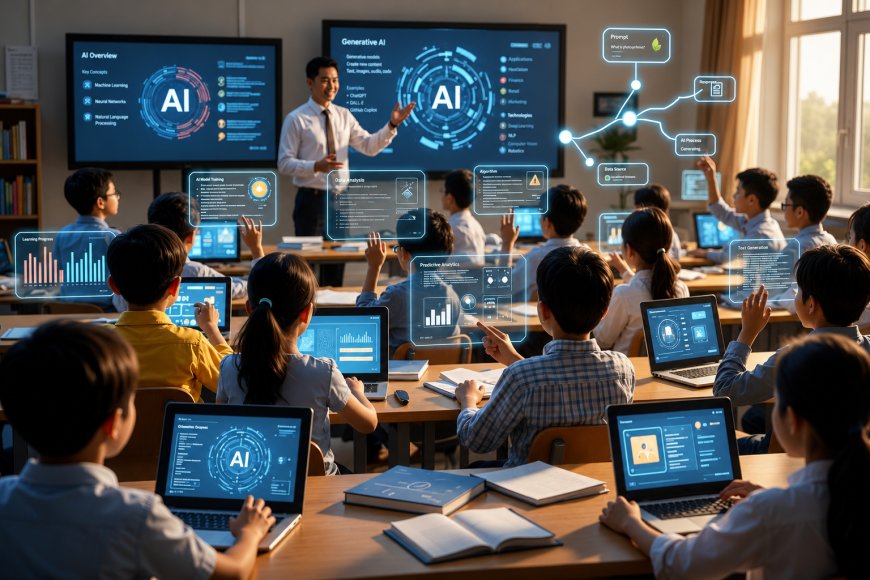
In 2026, the education landscape is undergoing its most significant evolution yet, driven by Artificial Intelligence (AI) and personalized learning. What was once a buzzword has become a practical reality in classrooms worldwide, thanks to innovations like Google’s Gemini ecosystem, adaptive study tools, and data-informed teaching strategies. This unique post explores the current trending developments, practical applications, benefits, challenges, and future outlook—optimized for educators, parents, students, and EdTech enthusiasts.
The Rise of AI-Powered Personalized Learning in 2026
Traditional education systems often struggle with varying student abilities, learning styles, and paces. AI solves this by creating dynamic, individualized pathways. According to recent trends, searches for AI learning tools, classroom resources, and personalized study aids have skyrocketed, with Google Gemini leading the charge following major ISTE 2026 announcements.
Key Trending Features Making Waves:
- Gemini Study Notebooks: A game-changing feature that transforms the Gemini app into a fully adaptive learning platform. Students input their goals (e.g., mastering algebra or preparing for college entrance exams), and the tool generates personalized lesson plans, interactive quizzes, knowledge gap analysis, and active recall exercises. It adapts in real-time as students progress, promoting deeper retention. Early feedback from high school testers highlights its effectiveness in building confidence and improving outcomes.
- Teacher-Led Guided Learning & Classroom Integration: Educators now access a dedicated Gemini app within Google Classroom. This securely pulls in class context (assignments, rubrics, past performance) to help teachers brainstorm projects, identify common misconceptions, generate visuals (infographics, comics), and create differentiated activities. The result? More time for meaningful interaction and less on repetitive prep work.
- Accessible Test Preparation: In partnership with The Princeton Review, Gemini now offers free, full-length practice tests for ACT, GRE, SAT, and more. Students receive topic-specific breakdowns and customized follow-up study plans—democratizing high-quality prep that was previously expensive or inaccessible.
- Broader Ecosystem Wins: Visual resource generation (powered by advanced image models), mobile Gemini access in Classroom apps, standards tracking, and AI agents for administrative efficiency are rolling out rapidly. These tools support everything from gamified learning to skills-based upskilling.
Proven Benefits Across Stakeholders
For Students:
- Accelerated learning gains (studies show 1+ years of progress in math with consistent use).
- 24/7 support that feels like a personal tutor.
- Increased engagement through adaptive, relevant content that matches their interests and level.
- Better preparation for standardized tests and real-world skills.
For Teachers:
- Significant time savings on lesson planning, grading, and feedback.
- Actionable insights into class and individual performance.
- Tools to support diverse learners, including those with special needs or English language learners.
- Reduced burnout while maintaining creative control.
For Schools & Institutions:
- Improved retention and outcomes at scale.
- Cost-effective personalization without massive staffing increases.
- Alignment with 2026 policy trends around digital transformation and AI literacy.
- Competitive edge in attracting tech-savvy families and educators.
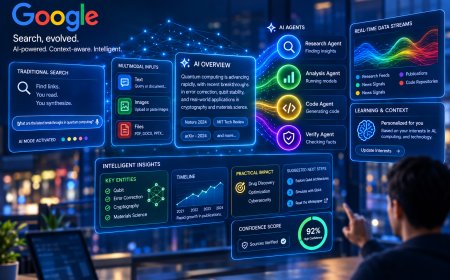
Educational content is dominating AI search visibility (accounting for a huge share of impressions), proving that high-quality, informative resources are winning in the new search paradigm.
Challenges and Responsible Implementation
While exciting, AI in education requires thoughtful adoption:
- Data Privacy & Security: Prioritize platforms with strong education-focused safeguards (like Google’s school accounts).
- Equity & Access: Ensure all students have devices and reliable internet; address potential biases in AI outputs.
- Avoiding Over-Reliance: AI should augment—not replace—human teachers and critical thinking. Educators remain the leaders.
- Training Needs: Professional development is crucial. Many districts are partnering with organizations for AI fluency programs.
Best practices include starting small (pilot one tool per class), combining AI with human oversight, and regularly evaluating impact on learning outcomes.
Future Outlook for 2026 and Beyond
Expect deeper integration of AI agents, multimodal learning (text + video + interactive), emotional intelligence in tutoring systems, and seamless blending with gamification and VR/AR. Trends like skills-based learning over rote memorization and lifelong upskilling will dominate as AI reshapes job markets.
Call to Action: Educators—explore Gemini tools in your Google Workspace today. Parents—discuss AI study habits with your children. Schools—invest in training and ethical guidelines. The future of education is personalized, adaptive, and incredibly promising.
What's Your Reaction?
 Like
0
Like
0
 Dislike
0
Dislike
0
 Love
0
Love
0
 Funny
0
Funny
0
 Angry
0
Angry
0
 Sad
0
Sad
0
 Wow
0
Wow
0