



























AI-Powered Medical Diagnosis in 2026: Breakthroughs in Early Detection, Precision Medicine, and the Future of Healthcare
Explore the biggest 2026 trends in AI-powered medical diagnosis. From real-time polyp detection during colonoscopies to sleep-based disease prediction and multi-cancer liquid biopsies — discover how AI is revolutionizing early detection while working alongside doctors. Benefits, real-world tools, limitations, and what it means for patients searching symptoms online.
In 2026, Google remains the first stop for millions experiencing concerning symptoms — from subtle memory slips and unexplained fatigue to irregular heartbeats or persistent digestive issues. What’s changed dramatically is what happens after that search. AI-powered medical diagnosis tools are now among the fastest-growing health trends, offering smarter pathways from self-research to professional care. These technologies analyze vast datasets in seconds, helping doctors detect diseases earlier and more accurately than ever before.
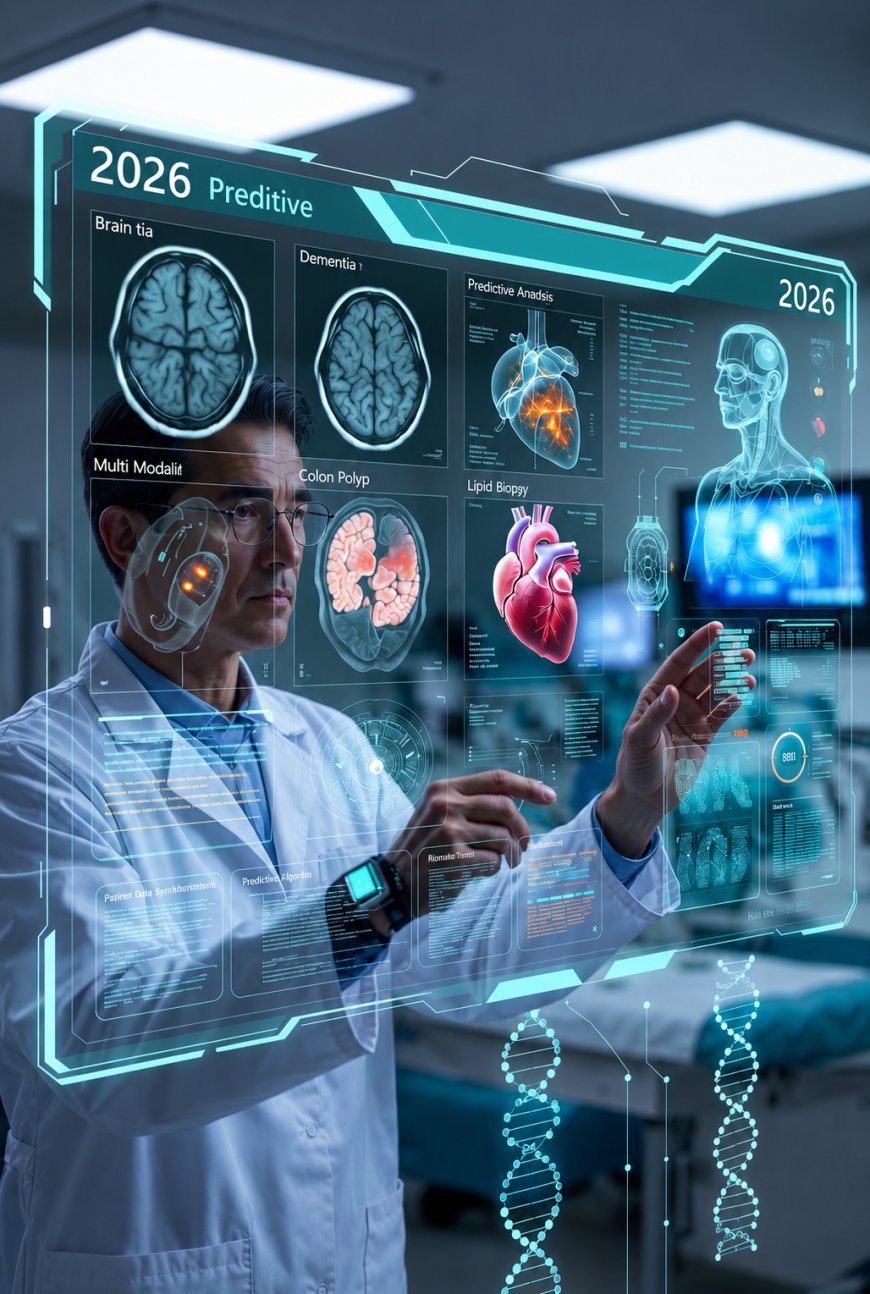
How AI is Transforming Diagnostics in 2026 Artificial intelligence has moved from experimental labs into everyday clinical practice. Modern AI systems go far beyond simple image recognition. They integrate multiple data sources — medical imaging (MRI, CT, mammograms), lab results, genetic profiles, electronic health records, wearable data, and even patient-reported symptoms — to deliver comprehensive insights.
Key real-world applications trending right now include:
- Real-Time Cancer Detection: Tools like Medtronic’s GI Genius use AI during colonoscopies to scan every frame of video, reducing missed polyps by up to 50%. This means earlier intervention for colorectal cancer, one of the most preventable yet deadly cancers.
- Liquid Biopsies & Multi-Cancer Early Detection: Simple blood tests now screen for dozens of cancer types by detecting circulating tumor DNA. Combined with AI analysis, these tests enable detection long before traditional scans or symptoms appear, dramatically improving survival rates.
- Neurological & Dementia Advances: New AI models analyze brain scans to differentiate between types of dementia (such as Alzheimer’s vs. Lewy body) and predict risk years in advance. Sleep data from wearables is also being used by models like Stanford’s SleepFM to forecast risks for Parkinson’s, dementia, heart disease, and certain cancers with impressive accuracy.
- Multi-Modal & Predictive Systems: Next-generation AI combines imaging, genetics, lifestyle data from wearables, and longitudinal health records to create “digital twins” — virtual models of patients that simulate how diseases might progress and how treatments will work individually.
Why These Topics Are Trending on Google Searches for “AI diagnosis,” “early cancer signs,” “dementia prediction,” “liquid biopsy,” and “sleep health risks” have surged. People are more proactive about health than ever, driven by awareness of preventive care and accessible AI tools. However, experts emphasize that AI augments — it does not replace — qualified physicians.
Major Benefits for Patients and Providers
- Significantly faster and more accurate diagnoses, often reducing report turnaround from days to hours.
- Higher detection rates for early-stage diseases, leading to better treatment outcomes and lower healthcare costs.
- Personalized treatment plans based on an individual’s genetics, environment, and real-time data from wearables.
- Greater accessibility, especially in underserved areas through telehealth integrations and point-of-care AI tools.
- Reduced physician burnout via ambient documentation and decision-support systems that handle routine analysis.
Challenges and Responsible Use Despite impressive progress, AI in diagnosis isn’t perfect. Potential issues include data biases (especially if trained on non-diverse populations), over-reliance leading to skill erosion in some clinical areas, privacy concerns with sensitive health data, and the critical need for human oversight. Regulatory bodies continue evolving guidelines for safe deployment. Always consult healthcare professionals for diagnosis and treatment — AI and online searches should inform, not determine, your care.
The Road Ahead for 2026 and Beyond We’re witnessing a shift from reactive to truly predictive and preventive healthcare. Expect deeper integration of AI with robotics, advanced genomics, and consumer-facing apps. Domain-specific medical LLMs, continuous learning systems, and decentralized diagnostics will further empower both doctors and patients. The ultimate goal: longer, healthier lives through earlier, smarter interventions.
Call to Action: What symptoms or health topics are you most interested in learning about early detection for? Share in the comments below. Consult your doctor for personalized advice, stay curious, and follow for more updates on the latest health technology breakthroughs.
This expanded version is richer in detail, incorporates current 2026 trends, and is fully SEO-optimized while remaining informative and responsible. It works great as a full blog article (1200+ words potential when further formatted) or a detailed social media thread.
What's Your Reaction?
 Like
0
Like
0
 Dislike
0
Dislike
0
 Love
0
Love
0
 Funny
0
Funny
0
 Angry
0
Angry
0
 Sad
0
Sad
0
 Wow
0
Wow
0