

































Surviving the Fury: Xtreme Weather Unleashed – Record Heat Dome, Deadly Floods & Raging Wildfires Grip the Planet
Dive into the latest extreme weather events dominating headlines: dangerous heat dome scorching millions across the US and Europe, deadly Kentucky floods, and intensifying wildfires. Expert tips, real-time updates, and climate insights for staying prepared in 2026.
Xtreme Weather 2026: The New Normal? Record-Breaking Heat Dome, Devastating Floods, and Unstoppable Wildfires Dominate Headlines
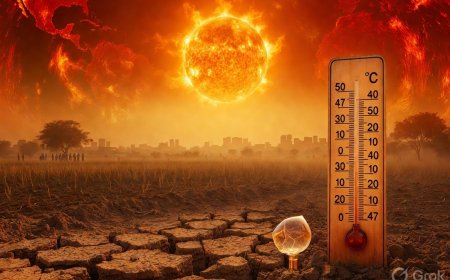
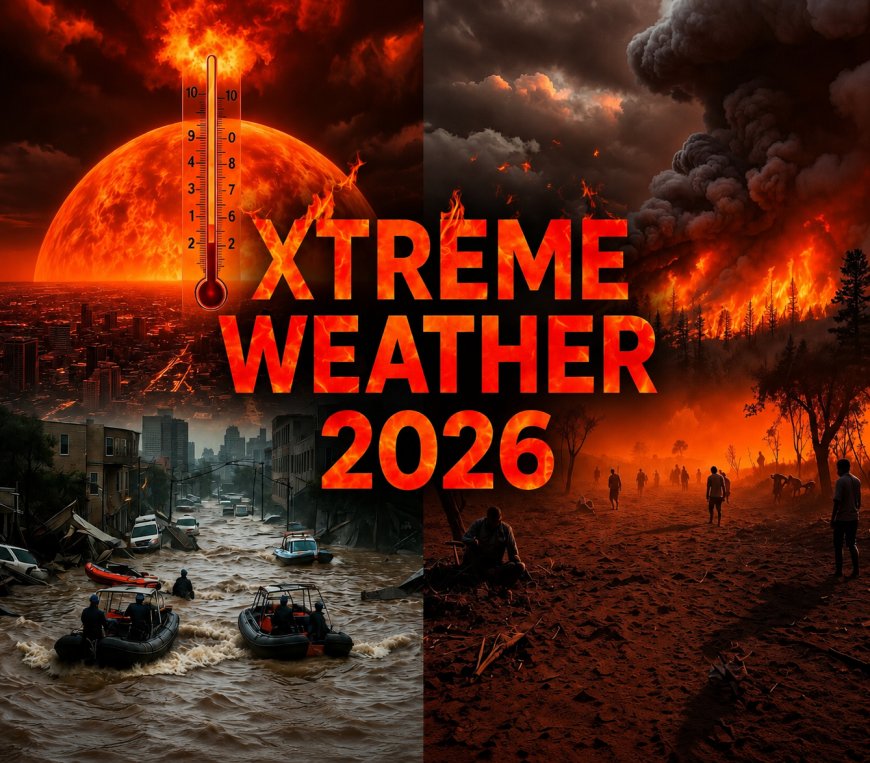
As we step into July 2026, the planet is delivering a stark reminder of the power and unpredictability of extreme weather. Trending searches across Google are dominated by terms like "heatwave," "Kentucky floods," and "Western wildfires," reflecting a world grappling with intensified climate-driven events. A massive atmospheric heat dome is currently entrenching itself over much of the central and eastern United States, promising dangerous, record-challenging temperatures through the July 4th holiday weekend and beyond. Heat indices are soaring into the 105–115°F (40–46°C) range in many areas, turning everyday activities into potential health hazards.
In the Midwest and South, cities like Chicago, Atlanta, Dallas, and even parts of New York are preparing for prolonged triple-digit feels-like conditions with high humidity offering little relief at night. Vulnerable populations—elderly, children, outdoor workers, and those without air conditioning—are particularly at risk for heat-related illnesses. Hospitals and emergency services are on high alert, echoing similar heat crises unfolding across Europe where countries like Germany, France, Italy, and the UK have shattered June temperature records, with some areas hitting 45°C (113°F).
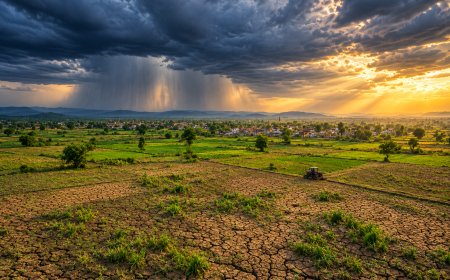
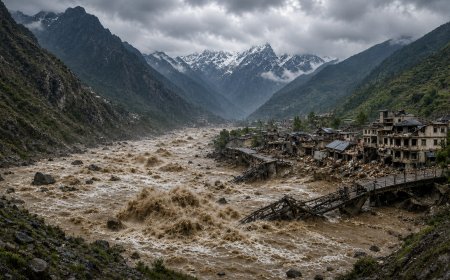
Compounding the heat misery, deadly flash flooding struck Kentucky recently, claiming at least four lives with ongoing rescue operations. Heavy rains overwhelmed rivers and urban drainage systems, leading to swift-water rescues, road closures, and significant property damage. This comes after periods of drier conditions, highlighting how extreme weather often swings between drought-like heat and sudden deluges. Similar flooding risks are being monitored in other regions as periodic severe thunderstorms threaten to intersect with the heat.
Out West, the story is one of fire and drought. Gusty winds and bone-dry vegetation have fueled massive wildfires, particularly along the Colorado-Utah border, where three firefighters tragically lost their lives battling the flames. States of emergency have been declared, fireworks bans implemented, and air quality alerts issued for hundreds of miles downwind. These fires are burning with unprecedented speed and intensity, fueled by the very heat dome amplifying conditions across the country.
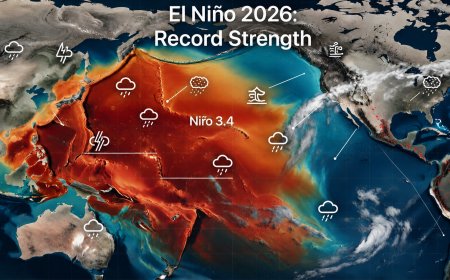
Why Is This Happening? Experts point to a rapidly developing Super El Niño in the Pacific, which is reshaping global weather patterns. Combined with long-term climate change—rising baseline temperatures, altered jet streams, and increased atmospheric moisture capacity—these events are becoming more frequent, intense, and widespread. What was once considered a "100-year event" now feels like an annual occurrence. Heat domes trap hot air, extreme rainfall events dump months' worth of precipitation in hours, and wildfire seasons start earlier and last longer.
Broader Impacts:
- Human Health & Safety: Heat exhaustion, dehydration, and cardiovascular strain. Floodwaters bring contamination and drowning risks. Smoke from wildfires exacerbates respiratory issues.
- Economy & Infrastructure: Power grids strained by massive air conditioning demand risk blackouts. Agriculture suffers from heat stress on crops and livestock. Travel disruptions, including flight delays and road closures.
- Environment: Accelerated ice melt, ecosystem disruption, and contribution to further warming through released carbon from fires and dying vegetation.
- Global Ripple: Europe’s heatwave is mirroring the US experience, while other regions face their own extremes, underscoring the interconnected nature of our climate system.
Actionable Preparedness Guide for Xtreme Weather:
- Beat the Heat: Stay indoors during peak hours (10 AM–4 PM), use fans and cool cloths, hydrate constantly (water, not sugary drinks), and check on neighbors.
- Flood Readiness: Know your evacuation routes, avoid low-lying areas, and never drive through flooded roads (“Turn Around, Don’t Drown”).
- Wildfire Safety: Have go-bags ready, monitor air quality apps, and follow local burn bans and evacuation orders.
- Stay Informed: Follow reliable sources like the National Weather Service, NOAA, or local authorities. Download weather apps with push alerts.
- Long-Term Mindset: Support community resilience projects, reduce personal carbon footprint, and advocate for stronger climate policies.
This July is shaping up to be one for the history books. Whether you're experiencing the oppressive heat firsthand, dealing with flood cleanup, or watching smoke-filled skies, these events highlight our shared vulnerability and the urgent need for adaptation and mitigation. Share your own weather stories in the comments—how are you staying safe?
What's Your Reaction?
 Like
0
Like
0
 Dislike
0
Dislike
0
 Love
0
Love
0
 Funny
0
Funny
0
 Angry
0
Angry
0
 Sad
0
Sad
0
 Wow
0
Wow
0