
































Space Tourism 2026: Reality or Dream? Costs, Companies & Future of Space Travel
Explore the current state of space tourism in 2026. Discover flights by SpaceX, Blue Origin, and Virgin Galactic, ticket prices, market growth, and whether your dream vacation among the stars is becoming reality. Expert insights on challenges and breakthroughs.
Space Tourism: Reality or Dream?
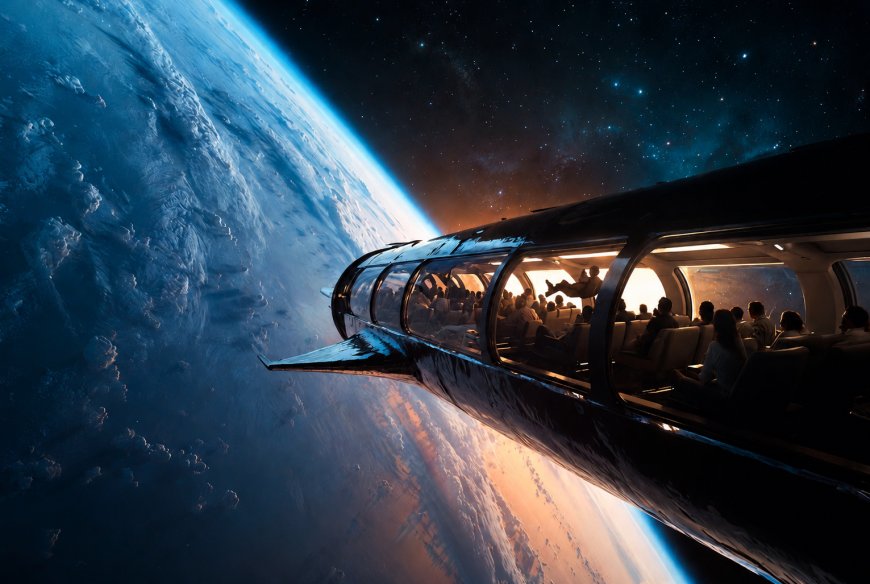
Imagine floating weightlessly while watching Earth’s blue curvature glide beneath you, stars sharper than ever, and the vast silence of space enveloping everything. For decades, this was pure science fiction. Today, in 2026, it’s a premium experience for the ultra-wealthy — but the dream is inching closer to everyday reality.
Current Reality: Who’s Already Gone to Space?
Private space tourism has taken off (literally). Over 140 private citizens have reached space as of early 2026. Companies leading the charge:
- Virgin Galactic: Suborbital flights offering minutes of weightlessness. New Delta-class spacecraft expected later in 2026.
- Blue Origin: New Shepard suborbital trips; Jeff Bezos’ company has flown dozens, though paused for lunar priorities with returns targeted soon.
- SpaceX: Orbital missions via Crew Dragon and upcoming Starship developments, enabling longer, more immersive journeys (think multi-day trips to orbit or even Inspiration4-style civilian missions).
These aren’t government astronauts — they’re civilians paying hefty sums for the ultimate adventure.
The Price Tag? Suborbital hops start in the hundreds of thousands of dollars, while full orbital experiences can run tens of millions. Still elite-only, but costs are trending down as reusable tech matures.
The Dream: What’s Next?
Market projections are stellar: The space tourism sector is valued around $1.5–1.8 billion in 2026 and forecasted to hit $3–6 billion by the early 2030s, with CAGRs of 15–17%+. Future visions include:
- Space hotels and orbital habitats
- Point-to-point suborbital travel (faster than jets across continents)
- Lunar flybys and beyond
Challenges remain: Safety, environmental impact (rocket emissions), regulation, and accessibility. But rapid innovation from private players is accelerating progress faster than any government program alone.
Is it Reality or Still a Dream? It’s both. For a select few, space tourism is very real today. For the rest of us, it’s a rapidly approaching dream — one that could democratize in the 2030s with falling costs and new vehicles. The question isn’t if, but how soon we’ll all get a shot at the final frontier.
What's Your Reaction?
 Like
0
Like
0
 Dislike
0
Dislike
0
 Love
0
Love
0
 Funny
0
Funny
0
 Angry
0
Angry
0
 Sad
0
Sad
0
 Wow
0
Wow
0