



































Fibermaxxing Lifestyle: The Quiet Revolution Redefining Everyday Wellness in 2026
Fibermaxxing 2026: How Boosting Fiber Is Transforming Gut Health, Energy & Daily Life
In a world still recovering from years of protein obsession, endless “maxxing” challenges, and high-intensity wellness culture, 2026 has quietly crowned a new champion: fibermaxxing.
What began as a soft murmur among dietitians, gut-health researchers, and a handful of TikTok creators has grown into one of the most consistently searched lifestyle topics on Google this year. People are no longer just sprinkling a teaspoon of chia seeds on their yogurt and calling it a day. They are intentionally redesigning their plates, their grocery lists, their meal-prep routines, and even the pace of their mornings around one simple, powerful nutrient — fiber.
Fibermaxxing is not another extreme diet. It is not about punishing yourself with 80 grams of fiber overnight or forcing down dry bran cereal until you feel miserable. It is the gentle, sustainable practice of consistently increasing the amount of dietary fiber you eat through whole, real foods until your body begins to feel noticeably different. Better digestion. Steadier energy. Clearer skin. Improved mood. Reduced bloating. A quieter mind. That elusive feeling of lightness and calm that so many of us have been chasing for years.
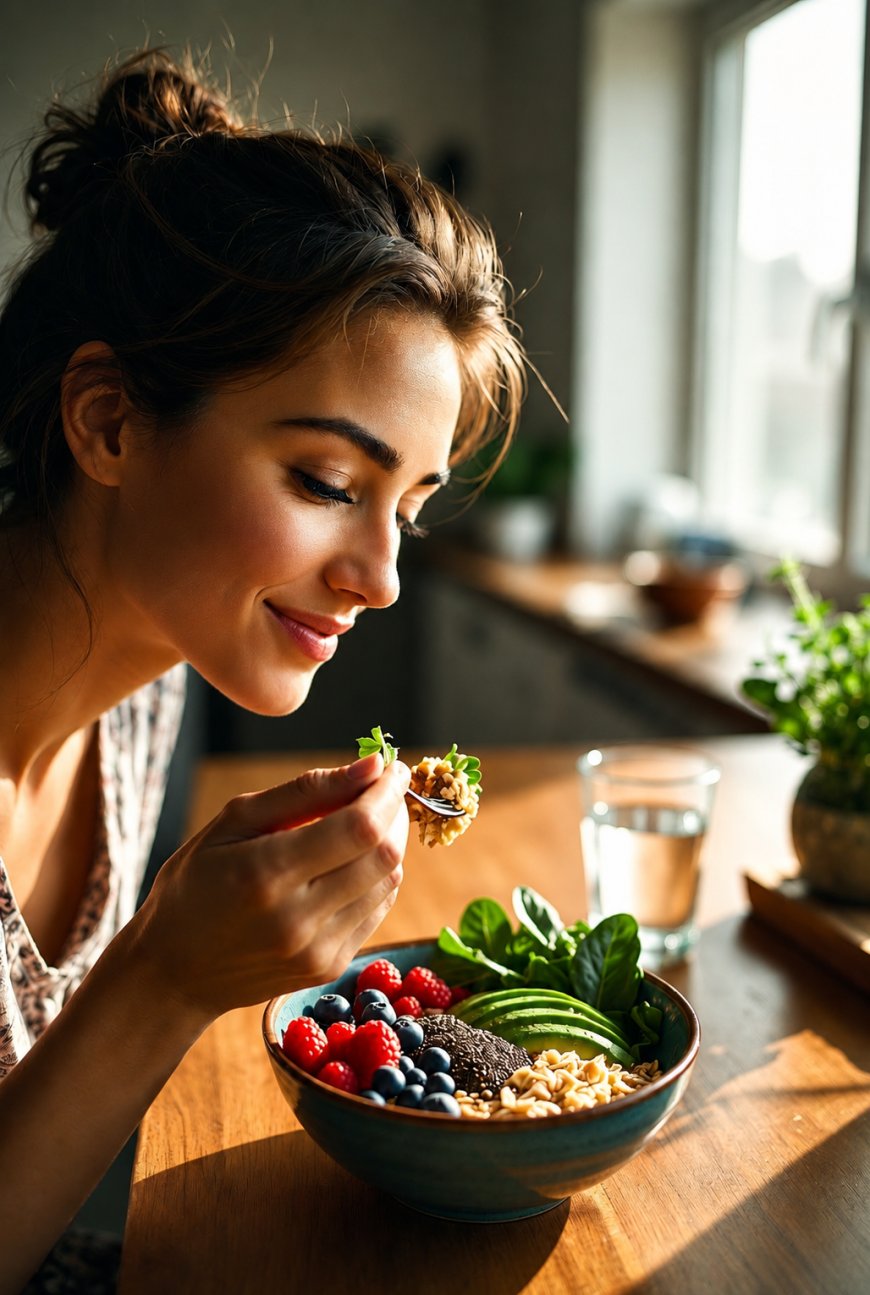
Unlike the loud, performance-driven trends of previous years, fibermaxxing pairs beautifully with the rising slow-living movement. There is something deeply grounding about standing at the kitchen counter on a Sunday afternoon, rinsing a big bowl of black beans, chopping colorful vegetables, and layering overnight oats with flaxseeds, berries, and a spoonful of almond butter. It slows you down in the best possible way. It forces presence. It turns eating into a small daily ritual of care rather than another task to rush through.
Most adults still fall dramatically short of the recommended daily fiber intake — often getting only half or less of what their bodies actually need. When you begin raising that number gradually (while drinking plenty of water), the benefits compound quietly but powerfully. A more diverse gut microbiome. Better blood sugar stability. Improved heart health. Stronger satiety signals that naturally reduce overeating. Even better hormone balance and mental clarity for many people. The science is solid. The results are real. The key word, however, is gradually. The social-media versions that push extreme numbers overnight often lead to discomfort, bloating, or giving up entirely. Real fibermaxxing is patient, personal, and kind.
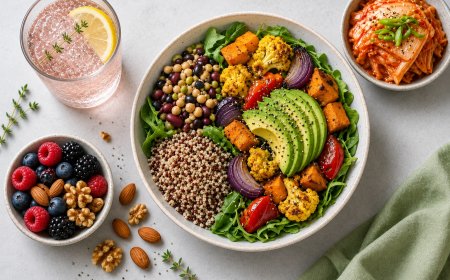
What makes this trend feel different in 2026 is how seamlessly it fits into modern life. Food brands are responding with clearer “fiber-forward” packaging. Cafés and healthy fast-casual spots are featuring bowls built around lentils, roasted vegetables, and seeds. Home cooks are rediscovering forgotten pantry staples — barley, farro, split peas, frozen berries, and good-quality canned beans. People are learning that a simple chickpea salad or a warm bowl of lentil soup can feel just as satisfying (and far more nourishing) than the heavy, protein-loaded meals they used to rely on.
Fibermaxxing also changes the way many people relate to food emotionally. Instead of constantly counting macros or restricting entire food groups, the focus shifts toward abundance — more color, more plants, more texture, more satisfaction. You start looking at a plate and asking, “Where can I add more fiber here?” rather than “What do I need to cut out?” That subtle mental shift is powerful. It replaces scarcity thinking with a sense of generosity toward yourself.
For those practicing slow living, digital minimalism, or simply trying to feel more at home in their own bodies, fibermaxxing has become a quiet foundation. It supports the nervous system by reducing the inflammatory load that comes from ultra-processed, low-fiber eating. It helps regulate energy so that afternoon crashes become less dramatic. It even improves sleep for some people once digestion is no longer a nightly struggle.
Starting is simpler than most people think. Add one extra serving of vegetables to dinner. Swap white rice for quinoa, brown rice, or barley a few times a week. Keep a jar of mixed seeds (chia, flax, pumpkin, hemp) on the counter and sprinkle them on everything. Make a big pot of beans or lentils on the weekend and use them throughout the week. Choose whole fruit over juice. Choose oats over refined breakfast cereals.
Notice how your energy, digestion, skin, and overall sense of wellbeing begin to change over the next few weeks. There is no dramatic overnight transformation — just a steady, quiet improvement that compounds.
This isn’t another fleeting diet trend that will disappear by next year. It is a lifestyle upgrade disguised as something beautifully simple. In a culture that constantly pushes us to go harder, faster, and more extreme, fibermaxxing invites us to go deeper, slower, and more intentionally.
If you’ve been searching for a wellness habit that actually sticks, feels nourishing rather than punishing, and aligns with the calmer, more grounded energy of 2026, this might be the quiet shift your body (and mind) have been waiting for.
What's Your Reaction?
 Like
0
Like
0
 Dislike
0
Dislike
0
 Love
0
Love
0
 Funny
0
Funny
0
 Angry
0
Angry
0
 Sad
0
Sad
0
 Wow
0
Wow
0