































The AR & VR Revolution of 2026: Smart Glasses, Spatial Computing & the Death of the Bulky Headset
Discover the hottest AR and VR trends of 2026. From Meta Ray-Ban success and Google Android XR glasses to enterprise adoption, AI integration, and a projected $97B+ market — here’s everything you need to know about the immersive tech explosion.
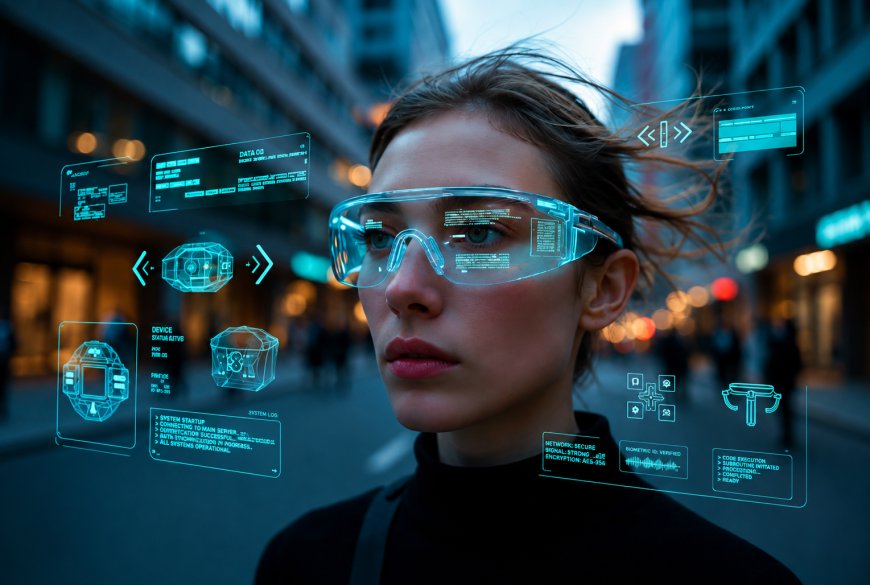
Augmented Reality (AR) and Virtual Reality (VR) are no longer science-fiction side projects — they are the defining technology story of 2026.
After years of bulky headsets and limited consumer adoption, the industry has reached a clear tipping point. Pure VR shipments are cooling, while smart glasses, Mixed Reality (MR), and Extended Reality (XR) are exploding. According to the latest industry data, the combined AR/VR market is valued at approximately $97 billion in 2026 and is projected to surge toward $269 billion by 2032.
The Big Shift: From Headsets to Everyday Glasses
The most important trend of 2026 is the rapid move away from heavy headsets toward lightweight, stylish AR smart glasses that people actually want to wear in public.
- Meta’s Ray-Ban smart glasses continue to dominate consumer conversation and sales.
- Google’s Android XR platform (with Samsung Galaxy Glasses and partners like XREAL) has become the second-most covered platform after Meta.
- Snap is preparing a major September 2026 launch event for its high-end Specs AR glasses.
- New entrants and startups are shipping ultra-light spatial display glasses (some under 100 grams) that offload processing to phones or nearby compute.
Industry coverage now shows roughly 42% of XR stories touching AR or smart glasses — a dramatic pivot from the VR-first era.
AI Is the New Interface Layer
Artificial Intelligence has become the real engine behind AR and VR in 2026:
- Real-time object recognition and contextual assistance
- Generative AI that creates 3D worlds and content in days instead of months
- On-device AI chips delivering massive performance jumps while using less power
- Personalized, agentic experiences that understand your environment and act on your behalf
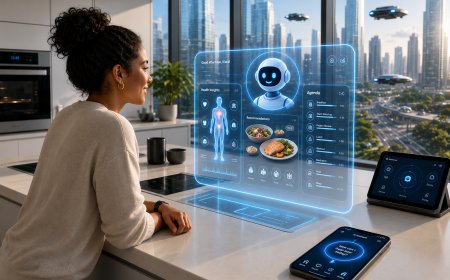
This fusion of AI + spatial computing is turning AR from a novelty into a practical daily tool for navigation, shopping, work, education, and entertainment.
Where AR & VR Are Actually Being Used in 2026
- Enterprise & Industry: Remote assistance, factory floor overlays, training simulations, and digital twins are delivering clear ROI.
- Retail & Fashion: Virtual try-on experiences continue to scale, with AR becoming a standard layer of online shopping.
- Education & Healthcare: Immersive classrooms and therapeutic VR applications are expanding rapidly (including large-scale veterans’ programs).
- Entertainment: While pure VR gaming remains strong in its core audience, the bigger growth is in mixed and extended reality experiences.
Looking Ahead
IDC and other analysts forecast strong rebound growth in 2026 after a softer 2025, with Mixed Reality and Extended Reality (especially smart glasses) driving the majority of unit growth through 2029. The form factor war is no longer about who has the most powerful headset — it’s about who can deliver useful, stylish, always-available spatial computing that blends seamlessly into everyday life.
The headset is no longer the whole story. Glasses are becoming the mainstream conversation.
Whether you’re a developer, marketer, enterprise decision-maker, or tech enthusiast, 2026 is the year AR and VR finally start living up to the long-promised future — lighter, smarter, more useful, and more ubiquitous than ever before.
What's Your Reaction?
 Like
0
Like
0
 Dislike
0
Dislike
0
 Love
0
Love
0
 Funny
0
Funny
0
 Angry
0
Angry
0
 Sad
0
Sad
0
 Wow
0
Wow
0