




























El Niño 2026: The Super Event Reshaping Global Weather, Monsoons, and Climate
Discover the latest on the developing Super El Niño 2026 – with forecasts of record +3.6°C anomalies. Explore impacts on Indian monsoon rainfall, global weather patterns, agriculture, and climate. Preparation tips and expert insights included.
El Niño 2026: Weather, Monsoon & Climate Impact – A Comprehensive Overview
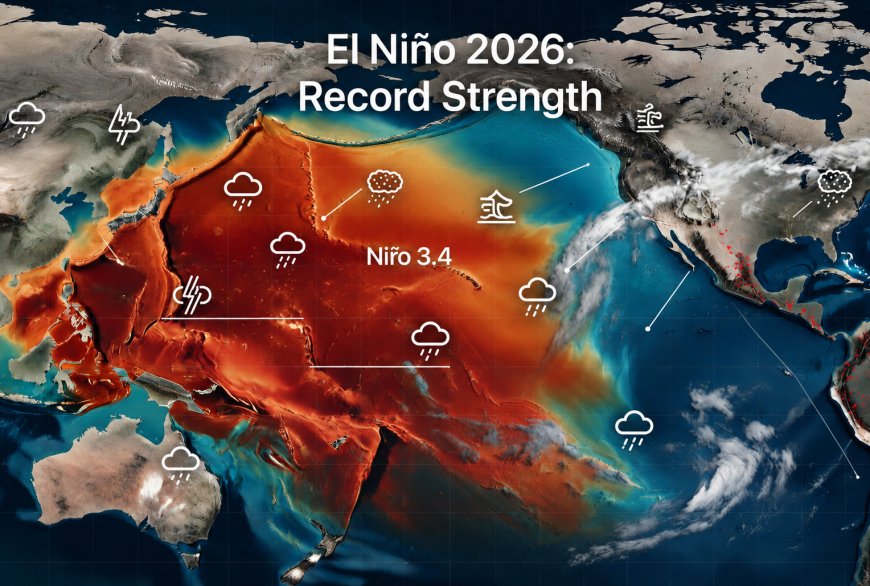
The year 2026 is witnessing the rapid development of what forecasters are calling a potential Super El Niño – one of the most powerful climate phenomena in recorded history. According to NOAA and international climate agencies, El Niño conditions have already emerged in the tropical Pacific, with sea surface temperatures (SSTs) in the key Niño 3.4 region climbing steadily. Current anomalies are well above the +0.5°C El Niño threshold, and models forecast a peak intensity of up to +3.6°C later this year – potentially breaking all-time records by a significant margin.
What is El Niño?
El Niño is the warm phase of the El Niño-Southern Oscillation (ENSO), characterized by the unusual warming of ocean waters in the central and eastern equatorial Pacific. This warming alters global wind patterns, atmospheric circulation (Walker Circulation), and rainfall distribution. Unlike neutral or La Niña conditions, a strong El Niño can persist for 9–18 months, influencing weather thousands of miles away through "teleconnections."
Current Status (July 2026)
- Confirmed Formation: NOAA issued an El Niño Advisory in June 2026. Weekly Niño 3.4 indices have risen to around +1.5°C or higher, with continued strengthening expected through fall and winter.
- Strength Outlook: High probability (around 80%+) of a strong to very strong event, with some models suggesting unprecedented intensity due to interactions with other climate factors like a negative Pacific Decadal Oscillation (PDO).
- Duration: Likely to influence weather through early 2027, with gradual transition possible afterward.
Detailed Impacts on Indian Monsoon 2026
India’s Southwest Monsoon, which delivers nearly 70–80% of the country’s annual rainfall, is highly sensitive to El Niño. Historical data shows that strong El Niño years often correlate with deficient rainfall:
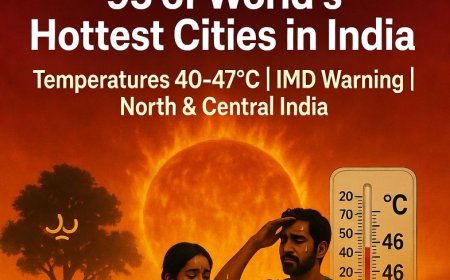
- Rainfall Forecast: IMD projects seasonal rainfall at approximately 90% of Long Period Average (LPA), with a significant chance of below-normal or deficient conditions, especially in the latter half of the season.
- Regional Effects:
- Central & Western India (Maharashtra, Madhya Pradesh, Rajasthan): Higher drought risk, delayed sowing, and stress on rain-fed agriculture.
- Northern Plains: Potential heatwave amplification and irregular rainfall patterns.
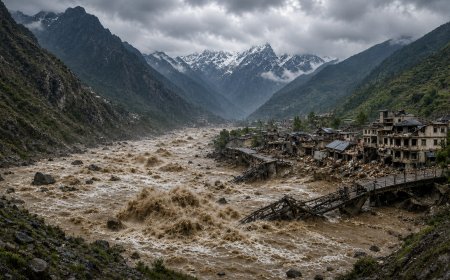
- Southern & Eastern Regions: Mixed outcomes – some areas may experience heavy localized downpours or floods despite overall deficit.
- Agricultural & Economic Ripple Effects: Reduced yields for rice, pulses, sugarcane, and oilseeds could drive up food inflation. Water reservoirs may face shortages, impacting drinking water, hydropower, and irrigation. Farmers are advised to adopt climate-smart practices like drip irrigation and drought-resistant varieties.
- Positive Factors: A possible strong Positive Indian Ocean Dipole (IOD) could partially offset some drying effects, but experts caution it is unlikely to fully neutralize a powerful El Niño.
Broader Global Climate & Weather Impacts
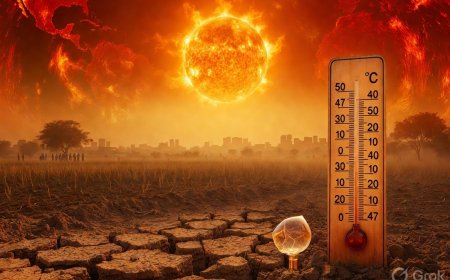
- Temperature Boost: The event could push global average temperatures even higher, exacerbating heat records in 2026–2027.
- Extreme Weather Patterns:
- Droughts & Wildfires: Southern United States, parts of Indonesia, Australia, and southern Africa.
- Heavy Rainfall & Flooding: Eastern Pacific coasts (Peru, Ecuador), U.S. Pacific Northwest, and certain South American regions.
- Tropical Storms: Suppressed Atlantic hurricane activity but potentially more active Pacific typhoons.
- Other Regions: Disrupted fisheries due to marine heatwaves, altered jet streams leading to unusual cold snaps or heat domes in mid-latitudes.
- Compound Risks: Interaction with ongoing climate change increases the frequency and intensity of extremes – heatwaves combined with drought, or flash floods in dry seasons.
Why Is 2026 Potentially Historic?
This El Niño stands out due to its projected record strength amid a background of anthropogenic warming. Past strong events (1997–98, 2015–16) caused billions in damages and humanitarian challenges. Early preparedness is critical for vulnerable sectors like agriculture, disaster management, and public health.
Expert Recommendations:
- Monitor official sources: IMD, NOAA, WMO.
- Invest in early warning systems and infrastructure resilience.
- Support research into better ENSO prediction and climate adaptation strategies.
Key Impacts on Weather & Monsoon
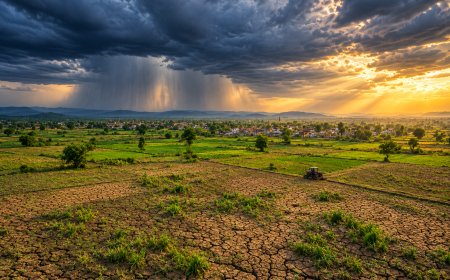
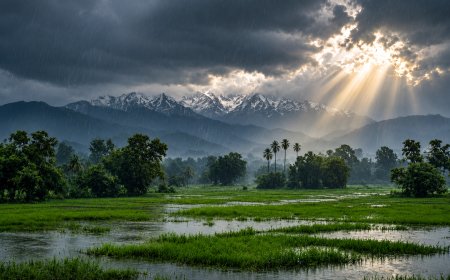
- Indian Monsoon 2026: Forecasts point to below-normal rainfall (around 90% of Long Period Average), with higher risks of deficient rains in central, northern, and western India. IMD and global models highlight delayed onset, prolonged dry spells, and potential drought conditions affecting agriculture, water reservoirs, and food security. However, regional variations mean some areas could still see intense localized floods.
- Global Weather Disruptions:
- Drier conditions and heightened wildfire risk in the southern U.S., Midwest, and parts of Southeast Asia/Australia.
- Wetter-than-normal conditions in the U.S. Pacific Northwest and potentially parts of South America.
- Warmer global temperatures – possibly adding another 0.5°C amid already elevated baselines.
- Increased chances of extreme events: heatwaves, floods, droughts, and altered hurricane/typhoon seasons.
Why This Matters: El Niño events amplify existing climate pressures. For India, a weaker monsoon can strain kharif crops (rice, pulses, etc.), raise food prices, and challenge water management. Globally, it influences everything from fisheries to energy demand.
Preparation Tips:
- Farmers & Governments: Focus on drought-resistant crops, efficient irrigation, and early warning systems.
- Individuals: Conserve water, stay informed via IMD/NOAA updates, and prepare for heat extremes.
- Long-term: Strengthen climate resilience as ENSO patterns interact with broader warming trends.
This isn't cause for panic but a strong call for proactive planning through early 2027.
What's Your Reaction?
 Like
0
Like
0
 Dislike
0
Dislike
0
 Love
0
Love
0
 Funny
0
Funny
0
 Angry
0
Angry
0
 Sad
0
Sad
0
 Wow
0
Wow
0