

































EVs for the Future or Hybrids for Practicality? Unpacking the Real-World Trade-offs
Discover the key differences between electric cars and hybrid vehicles in 2026. Compare range, costs, emissions, charging vs refueling, and expert insights to decide the best eco-friendly car for your lifestyle.
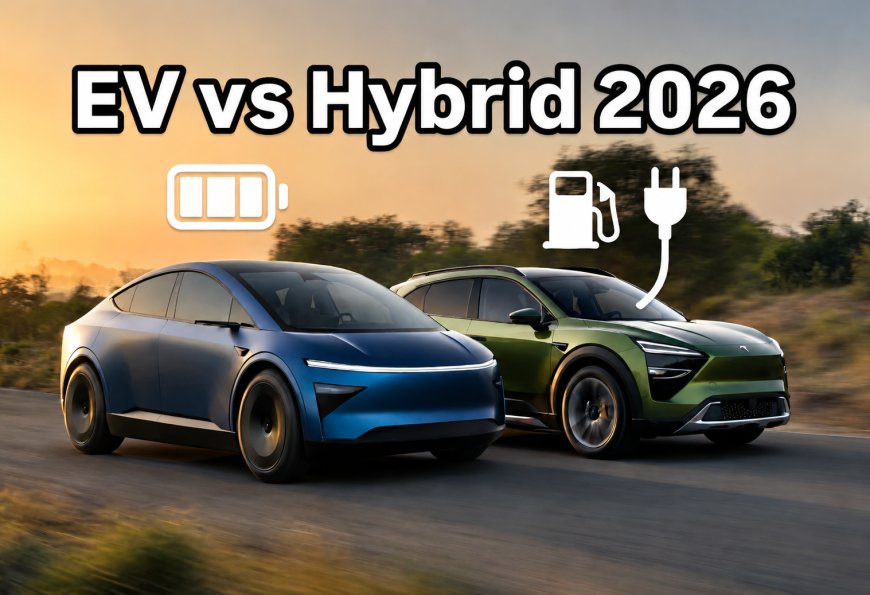
In 2026, the automotive world is witnessing a fascinating shift: while Electric Vehicles (EVs) continue their global dominance with record sales in Europe, China, and emerging markets, Hybrid Cars (including traditional hybrids and plug-in hybrids or PHEVs) are experiencing a strong resurgence, especially in the United States. Hybrids are "having their moment" as many buyers seek a practical middle ground amid concerns over charging infrastructure, range anxiety, and fluctuating incentives.
This comprehensive guide dives deep into Electric Cars vs Hybrid Cars — covering technology, real-world performance, costs, environmental impact, and expert recommendations to help you make the smartest choice for your needs.
Understanding the Technologies in 2026
- Electric Cars (Battery Electric Vehicles - BEVs): Powered entirely by large battery packs and electric motors. No gasoline engine at all. Examples: Tesla Model Y, Hyundai Ioniq 5/6, Lucid Air.
- Hybrid Cars:
- Traditional Hybrids (HEVs): Self-charging system combining gasoline engine with electric motor (e.g., Toyota Prius, Honda Civic Hybrid).
- Plug-in Hybrids (PHEVs): Larger battery for 30-50+ miles of electric-only driving, then switches to hybrid mode (e.g., Hyundai Tucson PHEV, Kia Sportage PHEV).
In-Depth Pros & Cons Comparison
Electric Cars (EVs) – Pros:
- Zero tailpipe emissions — the cleanest option for urban air quality and climate goals.
- Lowest operating costs: Electricity is significantly cheaper than gasoline; many owners report $0.03–$0.05 per mile vs. $0.12+ for gas.
- Superior performance: Instant torque delivers thrilling acceleration (0-60 mph in under 4 seconds for many models).
- Minimal maintenance: No oil changes, spark plugs, or complex exhaust systems — potentially saving thousands over 10 years.
- Advanced tech & quiet cabin: Cutting-edge infotainment, over-the-air updates, and serene driving experience.
- Strong incentives in many regions (though reduced in the US post-2025).
Electric Cars (EVs) – Cons:
- Higher upfront price (average around $54,000+ in early 2026).
- Range typically 250–400+ miles, but real-world drops in cold weather or highway speeds.
- Charging time: 20–40 minutes for fast charging vs. 5 minutes for gas.
- Infrastructure dependency — best for drivers with home/work charging access.
- Battery concerns in extreme conditions or very long-term ownership.
Hybrid Cars – Pros:
- No range anxiety: Quick refueling at any gas station combined with electric efficiency.
- More affordable entry price compared to similar EVs.
- Excellent real-world fuel economy (45–60+ MPG in many models).
- Versatile for all driving scenarios — city, highway, road trips.
- Smoother transition for buyers new to electrification.
- Strong reliability reputation from brands like Toyota and Honda.
Hybrid Cars – Cons:
- Still emit CO₂ from gasoline use (though far less than pure gas cars).
- Higher long-term maintenance due to dual powertrains.
- Less efficient than EVs in pure electric city driving.
- Miss out on the full "electric thrill" and maximum environmental benefits.
- PHEVs often underperform electric-only claims in real-world tests.
Cost Breakdown (2026 Realities)
- Purchase Price: Hybrids generally cheaper upfront. EVs benefit from lower lifetime costs.
- Fuel/Energy: EVs win decisively for daily drivers. Hybrids excel for high-mileage or unpredictable routes.
- Maintenance & Resale: EVs edge out on maintenance; resale varies by model and battery health.
- Total Ownership (5–7 years): EVs often cheaper overall if you charge at home, but hybrids provide better peace of mind for many.
Market Trends in 2026
Global EV sales continue strong growth outside North America, while US EV market share has cooled (around 5–10% range), boosting hybrid popularity. Top performers include Hyundai/Kia models sweeping awards in both categories, Tesla leading pure EVs, and Toyota/Honda dominating reliable hybrids.
Popular 2026 Picks:
- Best EVs: Tesla Model 3/Y, Hyundai Ioniq 5/6, Lucid Air.
- Best Hybrids: Hyundai Tucson Hybrid, Toyota Camry Hybrid, Honda Civic Hybrid, Kia Sportage PHEV.
Who Should Buy What?
- Go for an EV if you have reliable charging access, drive mostly under 300 miles daily, prioritize environment & savings, and want future-proof tech.
- Choose a Hybrid for long commutes, frequent road trips, limited charging options, or as a low-risk step into electrification.
- Consider PHEV as the best of both worlds for many commuters.
Final Verdict: There’s no universal winner — it depends on your lifestyle. Both options slash emissions and fuel costs compared to traditional gasoline cars. Test drive several models, calculate your personal costs using tools like fueleconomy.gov, and consider your home charging situation. The future is increasingly electric, but hybrids remain a smart, practical choice in 2026.
What's Your Reaction?
 Like
0
Like
0
 Dislike
0
Dislike
0
 Love
0
Love
0
 Funny
0
Funny
0
 Angry
0
Angry
0
 Sad
0
Sad
0
 Wow
0
Wow
0