

































Tata Sierra EV Launches Today at ₹18.79 Lakh – Powering India’s EV Revolution Against BYD’s Hybrid Push! ⚡🇮🇳
Hot off the press: Tata Motors launches Sierra EV today starting ₹18.79 lakh with 665 km range, AWD & premium features. BYD prepares Seal U PHEV with 1200+ km range for India. Latest trending EV & hybrid updates, comparison, and what it means for buyers in 2026.
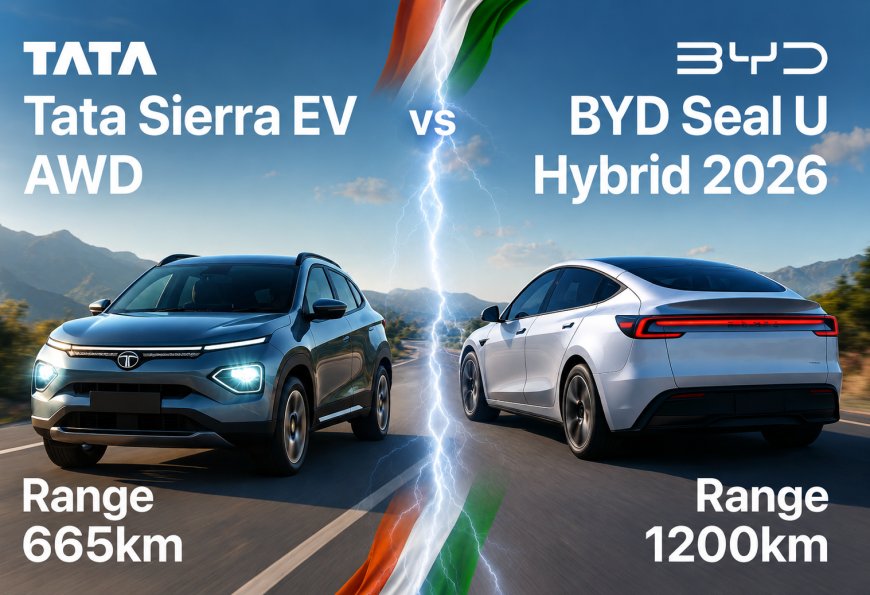
The Indian electric vehicle market is buzzing with excitement on June 30, 2026, as Tata Motors officially unveils the all-new Tata Sierra EV, breathing fresh electric life into a beloved iconic nameplate from its past. Priced aggressively from ₹18.79 lakh ex-showroom, this SUV aims to democratize premium electric mobility while directly competing with global giants like BYD. With strong bookings already anticipated, deliveries are slated to begin from July 15.
Tata Sierra EV – Detailed Specifications & Highlights
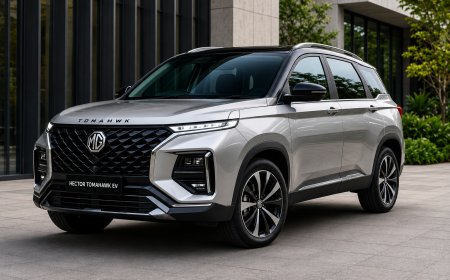
- Design & Platform: Built on the advanced Acti.EV+ architecture (shared with Harrier EV). It features a modern closed-off grille, sleek LED lighting signature, aerodynamic lines, and a commanding road presence with 205 mm ground clearance.
- Battery & Range: Two options – 63 kWh battery delivering up to 565 km ARAI range, and the larger 75 kWh pack offering up to 665 km. Real-world performance is expected to be class-leading for family SUVs.
- Powertrain & Performance: Rear-Wheel Drive standard; Dual-motor Quad-Wheel Drive (AWD) on higher variants. The top AWD model achieves 0-100 km/h in just 5.8 seconds – making it one of the quickest Indian-made EVs. Multiple drive & terrain modes (including 6 specialized ones) for versatility across highways, city, and light off-road.
- Charging: Supports 120 kW DC fast charging – adds approximately 250-263 km in 15 minutes. 20-80% charge in around 26 minutes. Includes a 7.2 kW home charger option.
- Interior & Features: Triple-screen panoramic dashboard setup, ventilated front seats, panoramic sunroof, 540-degree camera system, Level 2+ Advanced Driver Assistance Systems (ADAS), premium audio, wireless charging, and connected car tech with over-the-air updates.
- Safety & Warranty: 5-star safety expectations based on Tata’s track record, multiple airbags, robust structural engineering, and an impressive lifetime/high-year battery warranty on select packs.
- Variants & Pricing: Expected 5 variants across battery and drivetrain combinations, going up to around ₹25-27 lakh for fully loaded AWD models.
This launch builds on Tata’s momentum with other 2026 updates like the refreshed Punch EV (up to 468 km range, faster charging), Tiago EV improvements, Curvv EV, and Harrier EV. Tata reported record EV sales of over 10,500 units in May 2026 alone, capturing massive market share through affordable, reliable, and made-in-India solutions.
BYD’s Strong Response: Hybrid Strategy for India
While Tata doubles down on pure EVs, BYD – the global EV sales leader – is entering the hybrid arena in India. Its first Plug-in Hybrid Electric Vehicle (PHEV), the Seal U (also known as Sealion 6), is confirmed for launch by the end of 2026.
BYD Seal U Key Details:
- Powertrain: Advanced DM-i Super Plug-in Hybrid system combining a 1.5L turbo-petrol engine with electric motors and an 18.3 kWh battery.
- Range: Up to 126 km pure EV mode and a staggering 1,200+ km combined range – ideal for long Indian highway trips with minimal range anxiety.
- Performance: Total system output around 319 bhp, smooth electric-first driving with seamless hybrid transitions.
- Positioning: Premium midsize SUV targeting buyers who want luxury, efficiency, and flexibility. Expected pricing in the higher segments (₹50-70 lakh range estimates based on global models), complementing BYD’s existing pure EVs like Atto 3, Sealion 7, and upcoming Atto 2 (more affordable EV expected mid-2026).
BYD’s global strengths include revolutionary Blade Battery technology for superior safety and density, but in India, challenges like higher import costs have kept volumes lower compared to Tata. The hybrid push is a smart adaptation to India’s developing charging infrastructure.
Head-to-Head: Tata Sierra EV vs BYD Hybrid Ambitions
- Affordability & Accessibility: Tata wins hands-down for mass-premium buyers.
- Range & Versatility: BYD’s PHEV excels for intercity travel; Tata offers excellent pure EV range at lower price.
- Performance & Features: Both deliver thrilling acceleration and loaded cabins, but Tata’s AWD and local service network give it an edge.
- Market Impact: Tata strengthens its ~50-60%+ EV market dominance in India. BYD aims to grow double-digit share with hybrids and more localized plans.
Future Outlook: 2026-27 will see Tata launch more models (including Avinya premium EVs and Sierra variants), while BYD expands its hybrid and EV portfolio. Government policies, falling battery costs, and rising fuel prices are accelerating adoption. Consumers benefit from more choices than ever!
What’s your pick in this epic Tata vs BYD battle? Pure EV innovation from Tata or hybrid long-range capability from BYD? Share in comments, like, and follow for more auto updates! 🚀
What's Your Reaction?
 Like
0
Like
0
 Dislike
0
Dislike
0
 Love
0
Love
0
 Funny
0
Funny
0
 Angry
0
Angry
0
 Sad
0
Sad
0
 Wow
0
Wow
0