




























The Ultimate 2026 Guide to AI Video Generators: Google Veo 3.1, Sora 2, Kling & Game-Changing Competitors Dominating the Scene
Deep dive into the hottest trending AI video tools of 2026. Compare Google Veo 3.1’s photorealism and audio, Sora 2’s storytelling, Kling’s motion, plus Runway, Seedance & more. Features, pricing, use cases, and tips for stunning AI-generated videos.
AI Video Generators Are Exploding in 2026 – Here’s Why Everyone’s Talking About Them
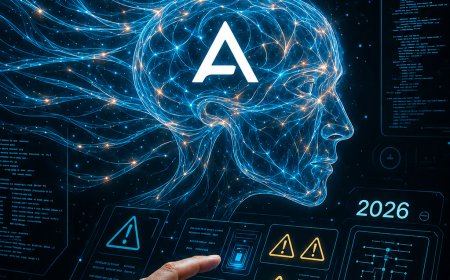
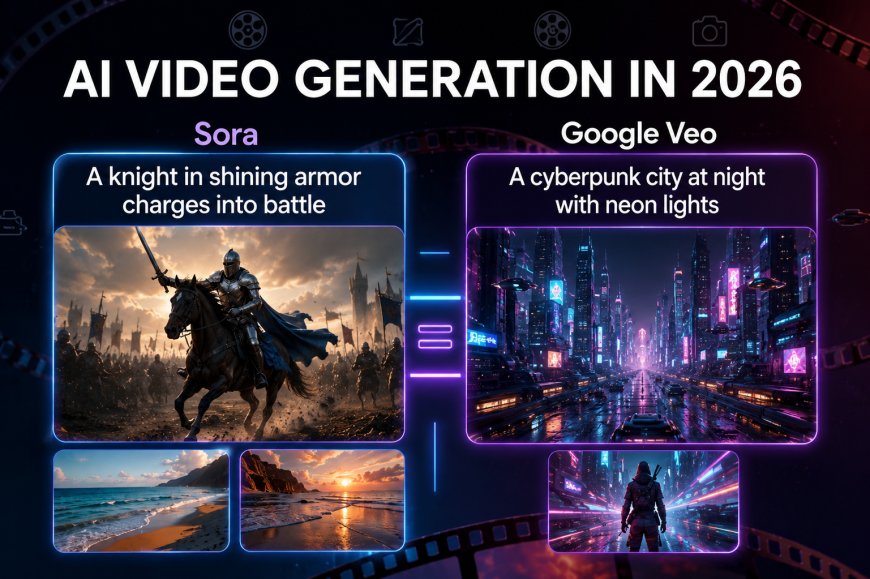
The AI revolution in video content has reached new heights. What started as short, often glitchy clips has matured into sophisticated systems capable of producing Hollywood-level footage from simple text prompts, images, or even storyboards. Tools like Google Veo 3.1, OpenAI Sora 2, Kling 3.0, and a host of strong competitors are leading the charge, making professional video production faster, cheaper, and more accessible than ever before.
Whether you're a social media influencer needing daily Reels, a business owner creating marketing ads without a film crew, an educator producing engaging tutorials, or an indie filmmaker prototyping scenes — these AI video generators are game-changers. They're trending massively on Google and social platforms because they deliver native audio (dialogue, sound effects, music), consistent characters, realistic physics, precise camera movements, and multi-shot storytelling in resolutions up to 4K.
Key Features Driving the Hype in 2026:
- Hyper-Realistic Output: Photoreal humans, natural lighting, complex environments, and lifelike motion.
- Synchronized Audio Generation: Built-in voiceovers, ambient sounds, and music that matches the visuals perfectly (a huge leap from silent generations).
- Advanced Controls: Reference images, style references, camera angles (pan, zoom, tracking shots), duration control, and aspect ratios for different platforms.
- Speed & Efficiency: Generate minutes of footage in under a minute on premium plans.
- Creative Freedom: Blend text-to-video, image-to-video, video-to-video extensions, and even lip-sync for talking characters.
In-Depth Look at the Top Contenders
1. Google Veo 3.1 (DeepMind) Frequently ranked as the best all-rounder in 2026. Excels in cinematic quality, structural precision, character consistency, and native spatial audio. Perfect for narrative-driven content, ads, and professional productions. Strong prompt adherence and excellent for longer, coherent scenes.
2. OpenAI Sora 2 Master of emotional storytelling, realistic human expressions, and complex physics/world simulation. Ideal for viral shorts, hero shots, and emotionally resonant videos. While access can be limited at times, its narrative capabilities shine brightly.
3. Kling 3.0 Dominates in fluid motion, physics accuracy, and character consistency. Great value with strong free/paid tiers. Popular for action sequences, dynamic movements, and high-motion content.
4. Other Standout Competitors:
- Runway Gen-4.5: Best for creative control, editing tools, and cinematic polish.
- Seedance 2.0: Fluid animation, multi-shot storytelling, and strong audio.
- Pika, Luma Dream Machine, Grok Imagine, Wan 2.6, Hailuo: Specialized strengths in speed, stylization, or specific niches like anime or vertical video.
Real-World Use Cases Making Waves:
- Marketing & Ads: Personalized product videos, social campaigns with custom branding.
- Social Media Content: Viral Reels, TikToks, and YouTube Shorts generated in bulk.
- Filmmaking: Storyboarding, pre-visualization, and even full short films.
- Education & Training: Animated explainers, simulations, and interactive lessons.
- Entertainment: Music videos, meme remixes, experimental art.
Tips for Getting the Best Results:
- Use detailed, descriptive prompts (include camera directions, lighting, mood, style references).
- Combine tools: Generate base clips in one model and refine in another.
- Respect platform guidelines for commercial use and ethical AI practices.
- Experiment with image-to-video for better consistency.
The Future Outlook By late 2026 and beyond, expect even longer coherent videos, better multi-character interactions, real-time generation, and deeper integration with editing software. These tools aren't replacing human creativity — they're amplifying it, lowering barriers, and democratizing high-quality video production.
The AI video wave is just getting started. Creators who master these tools today will lead tomorrow’s content landscape.
What's Your Reaction?
 Like
0
Like
0
 Dislike
0
Dislike
0
 Love
0
Love
0
 Funny
0
Funny
0
 Angry
0
Angry
0
 Sad
0
Sad
0
 Wow
0
Wow
0